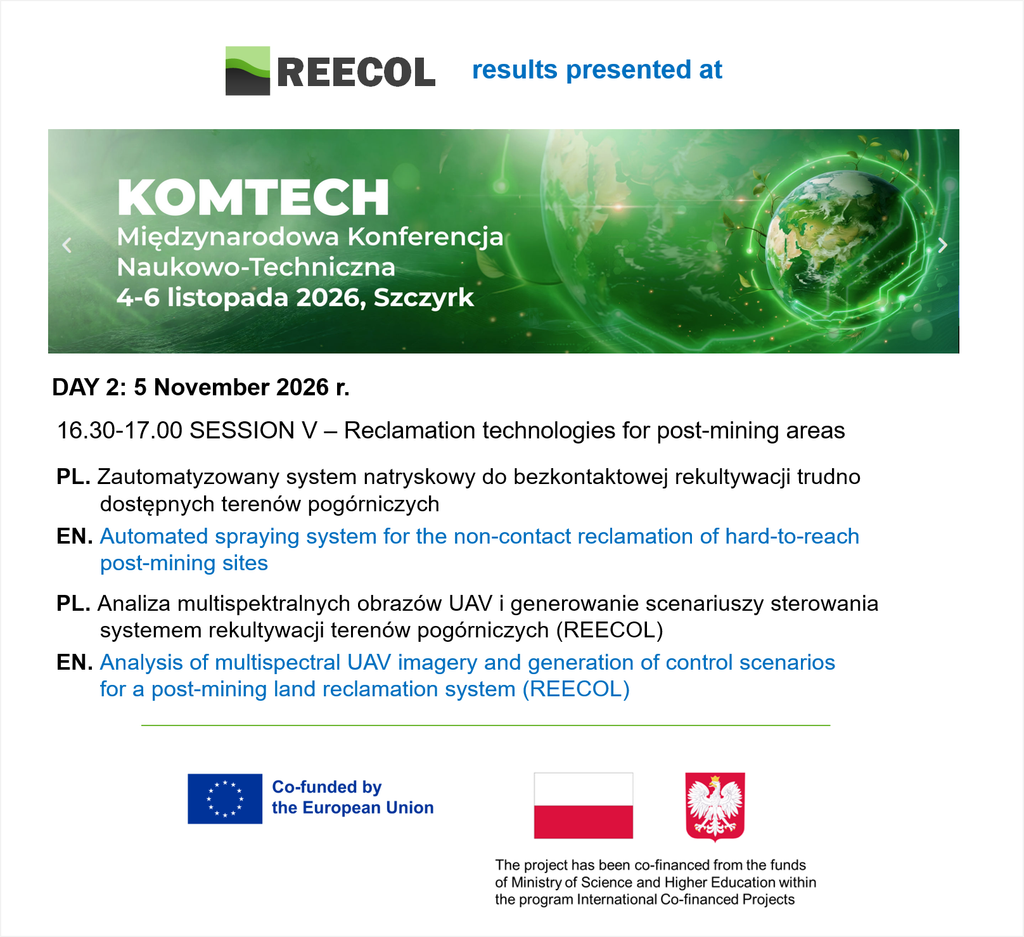
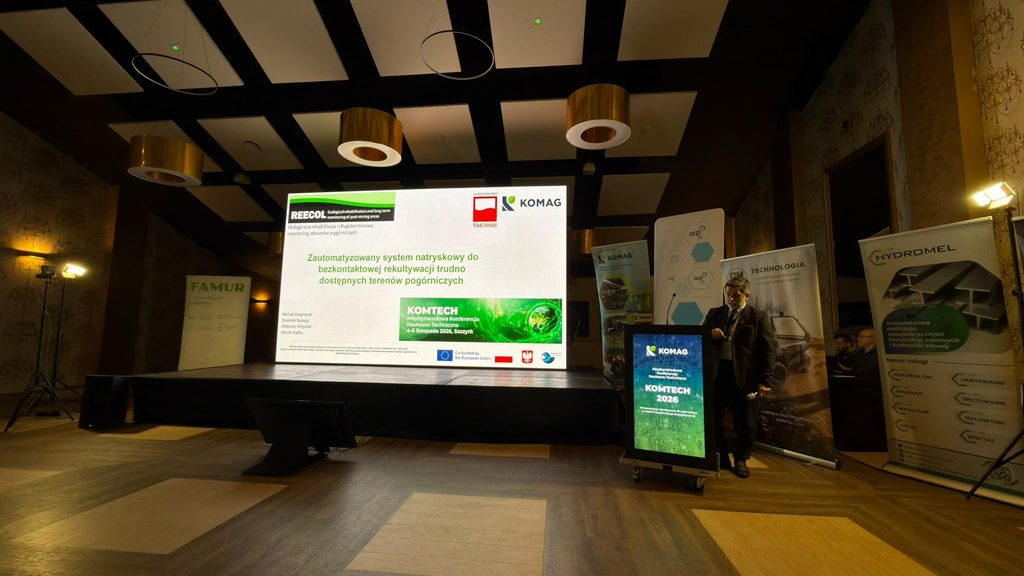
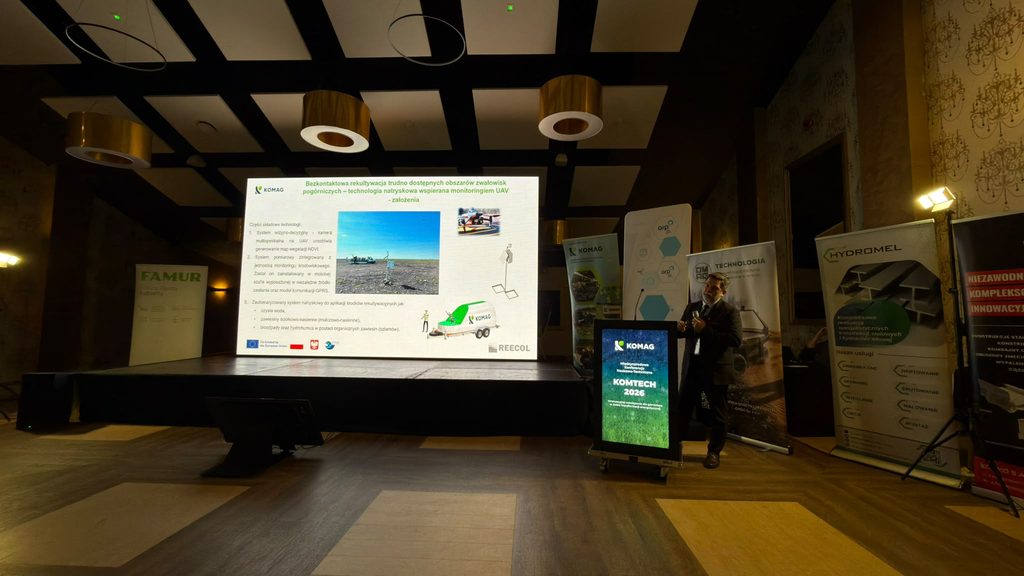
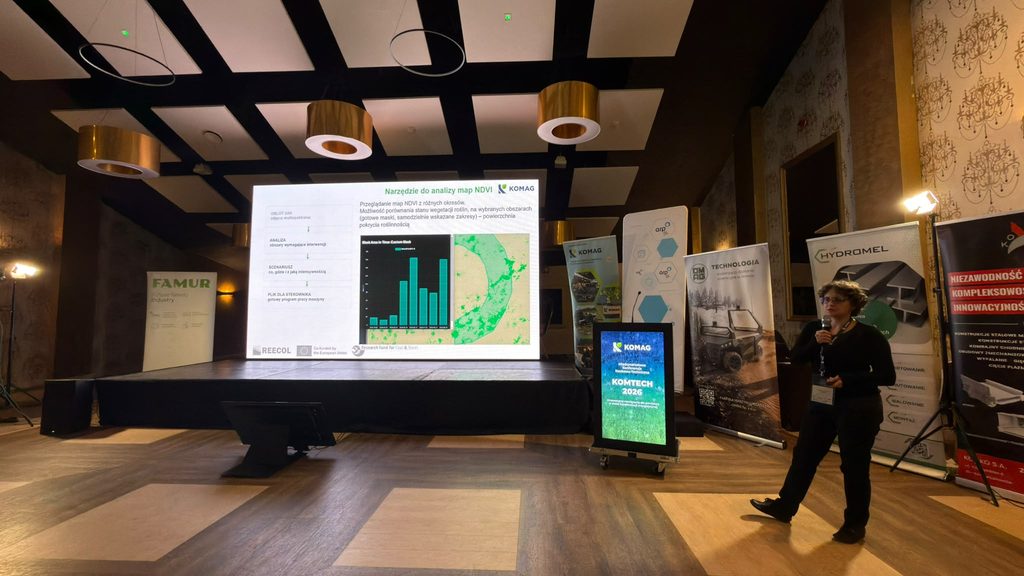
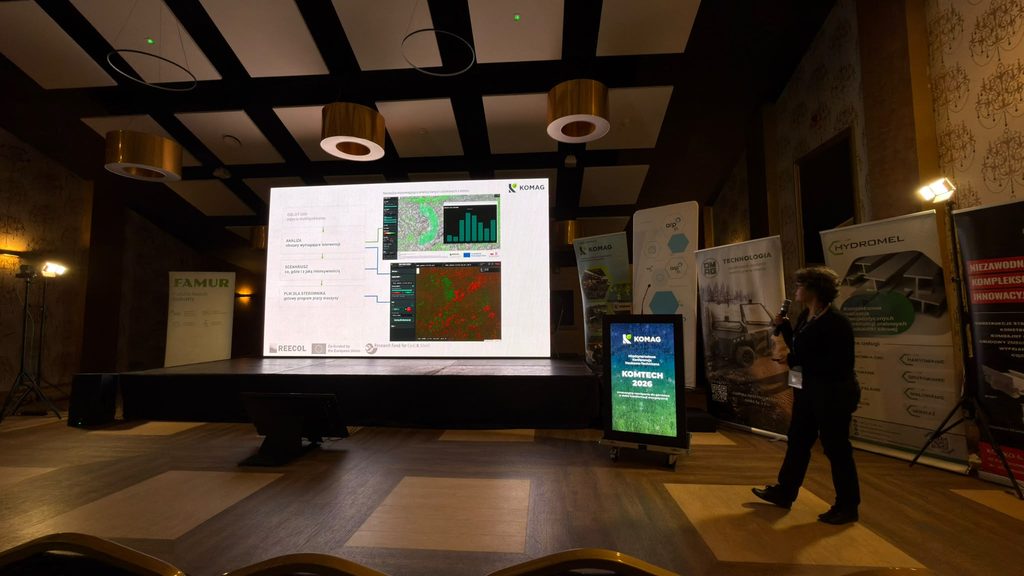
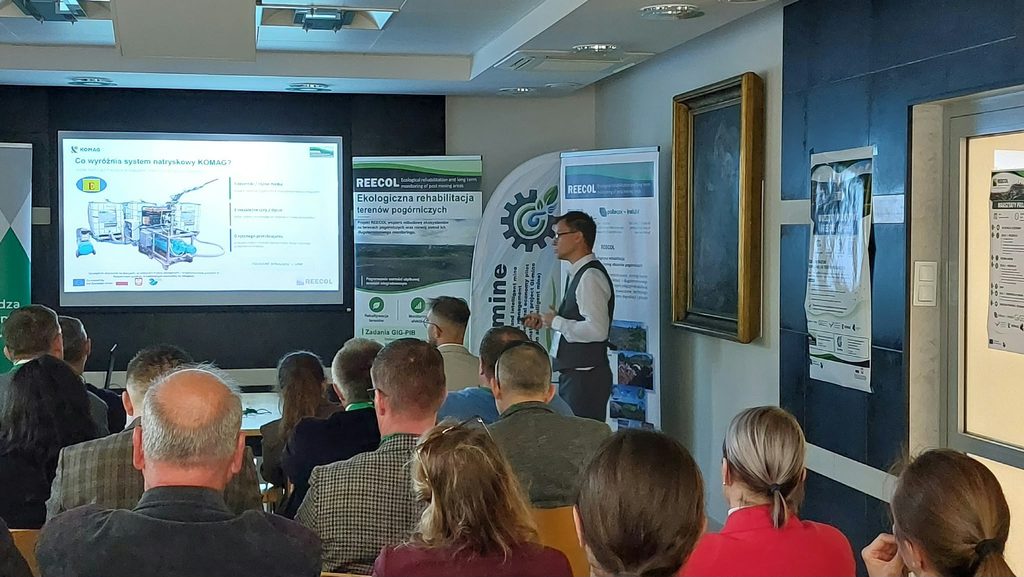
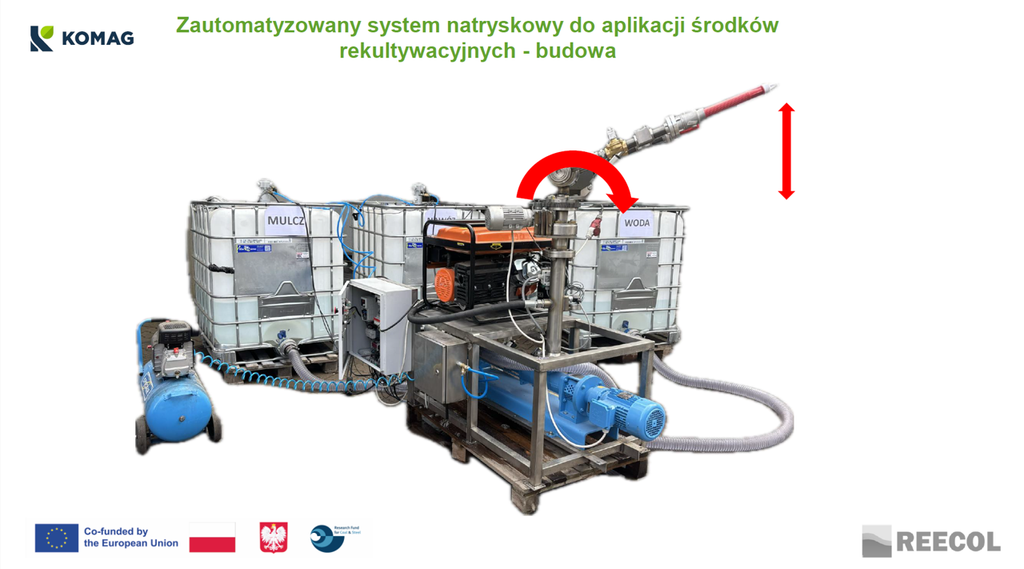
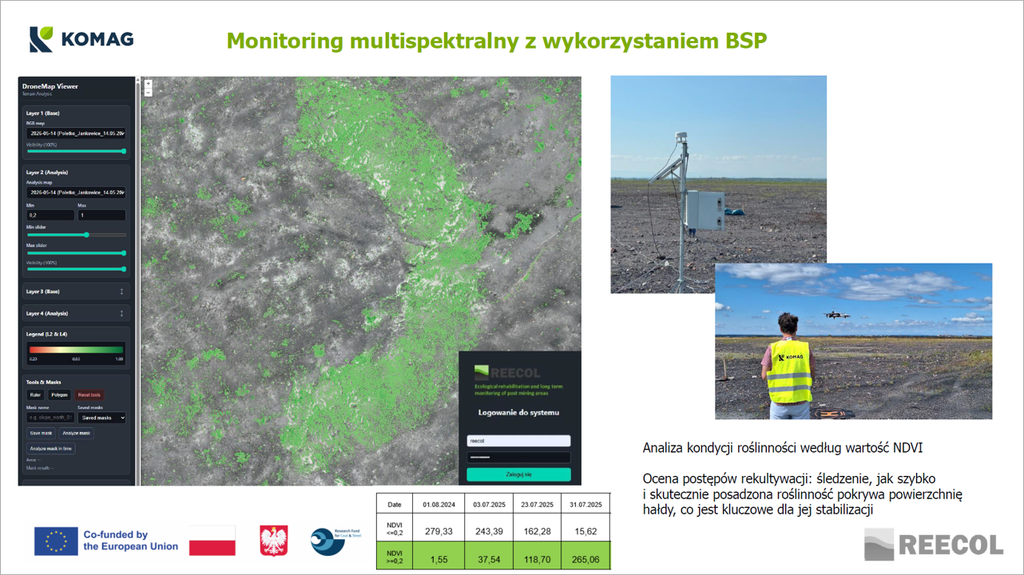
The REECOL results were presented at the international KOMTECH 2026 conference. Two presentations delivered by Instytut KOMAG during the session “Reclamation Technologies for Post-Mining Areas” focused on: – an automated spraying system for the non-contact reclamation of hard-to-reach post-mining sites; – online tools that support the analysis of multispectral UAV imagery and enable the preparation of control scenarios and instructions for the spraying system.
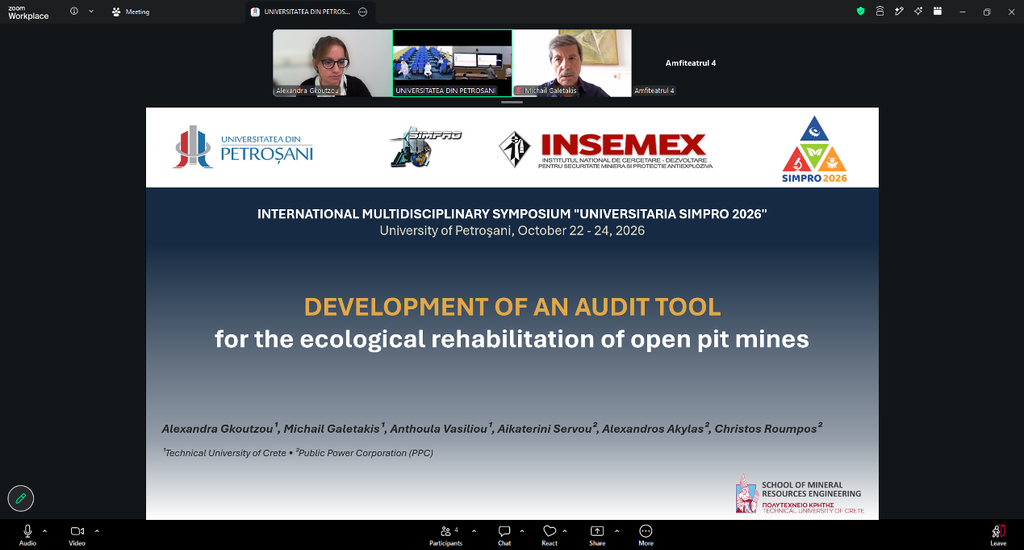
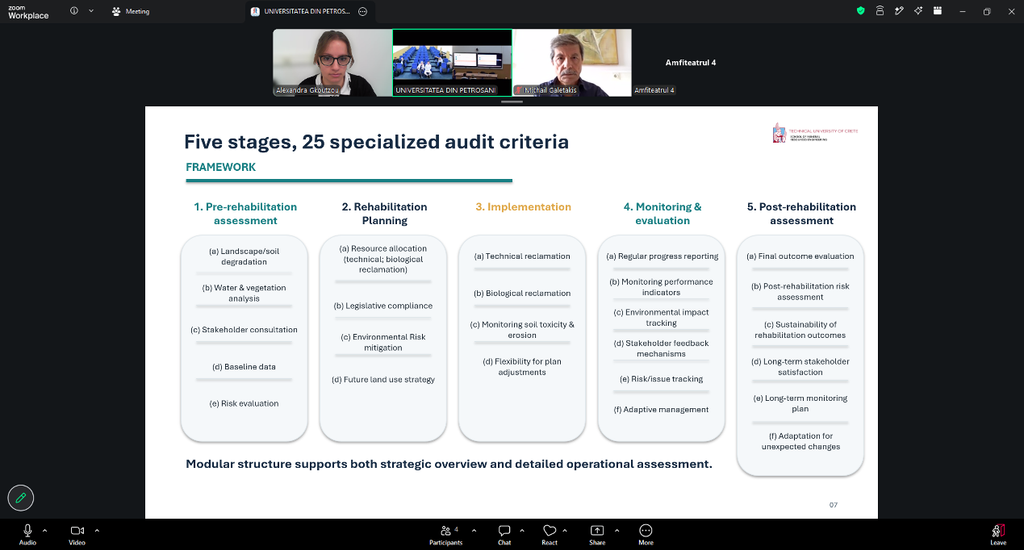
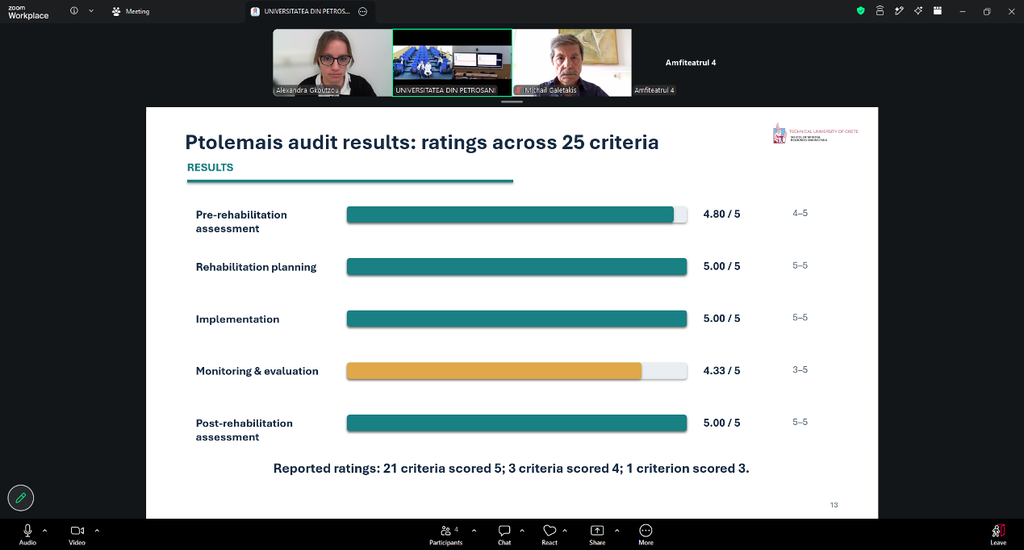
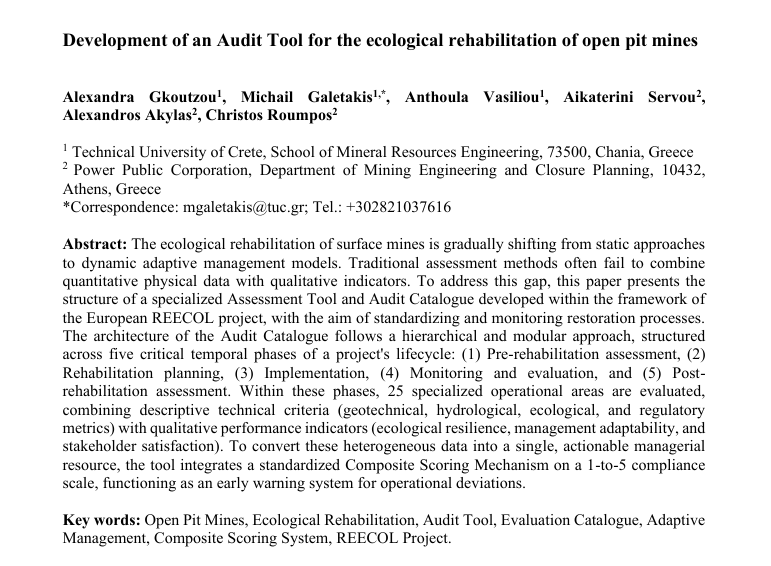
Audit Tool developed within REECOL was presented online by Technical University of Crete (TUC) at the International Multidisciplinary Symposium “UNIVERSITARIA SIMPRO 2026”, which took place in Universitatea din Petroșani on October 22 – 24, 2026. The research paper “Development of an Audit Tool for the Ecological Rehabilitation of Open Pit Mines” focuses on the development of a specialized tool for assessing and monitoring the ecological rehabilitation of open-pit mines, contributing to more effective environmental #management by combining technical, environmental, and socioeconomic criteria. It was tested in a post-mining area undergoing rehabilitation in Ptolemais, Western Macedonia, Greece. The results highlight its potential to support early warning and adaptive management in rehabilitation projects.
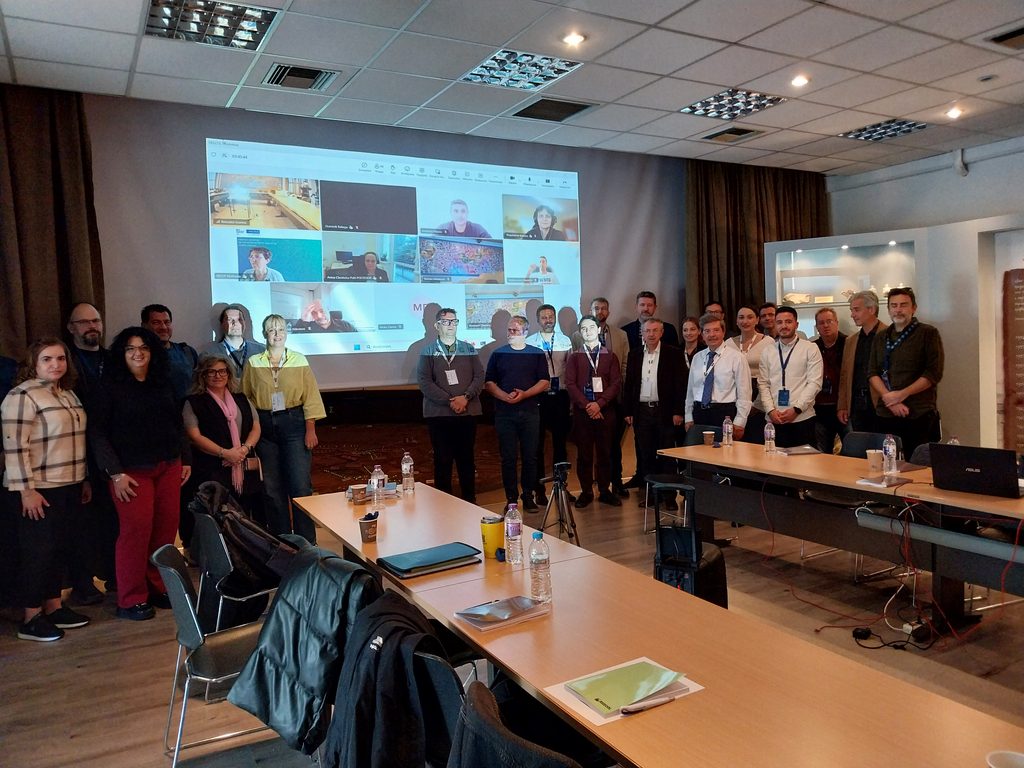
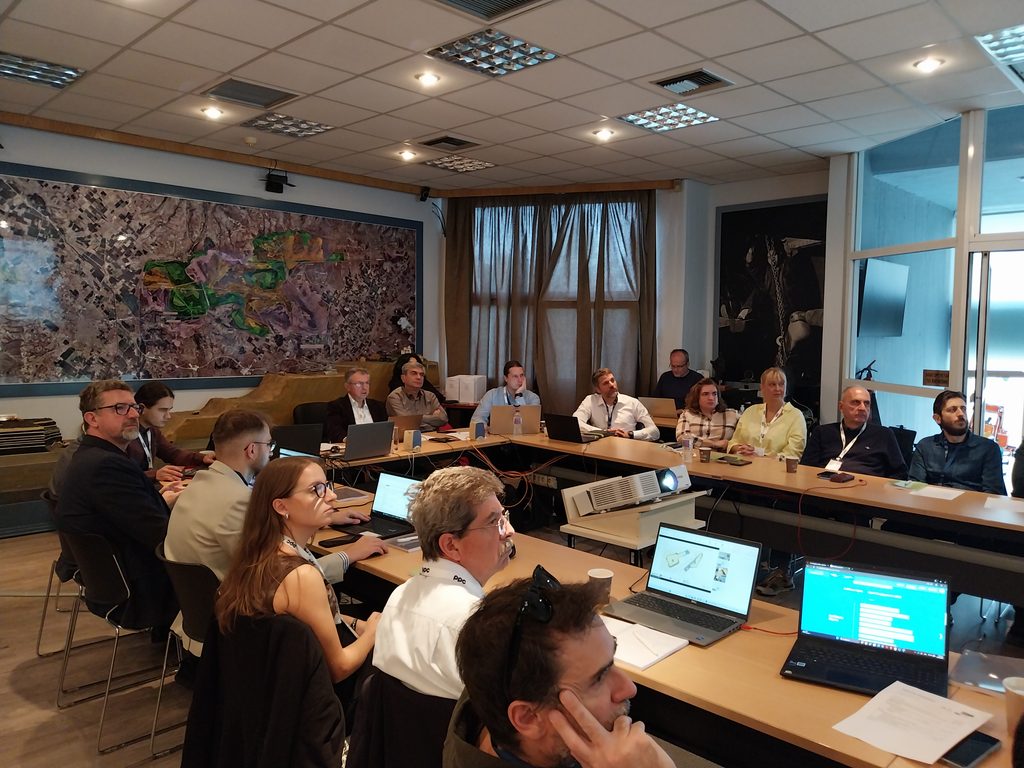
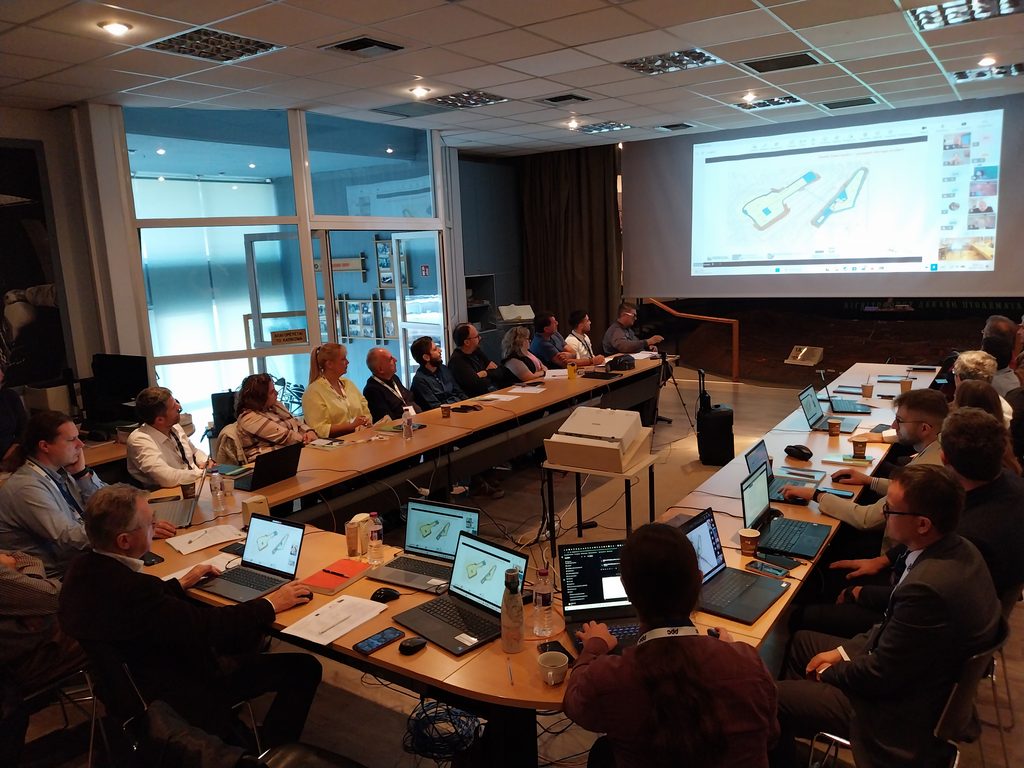
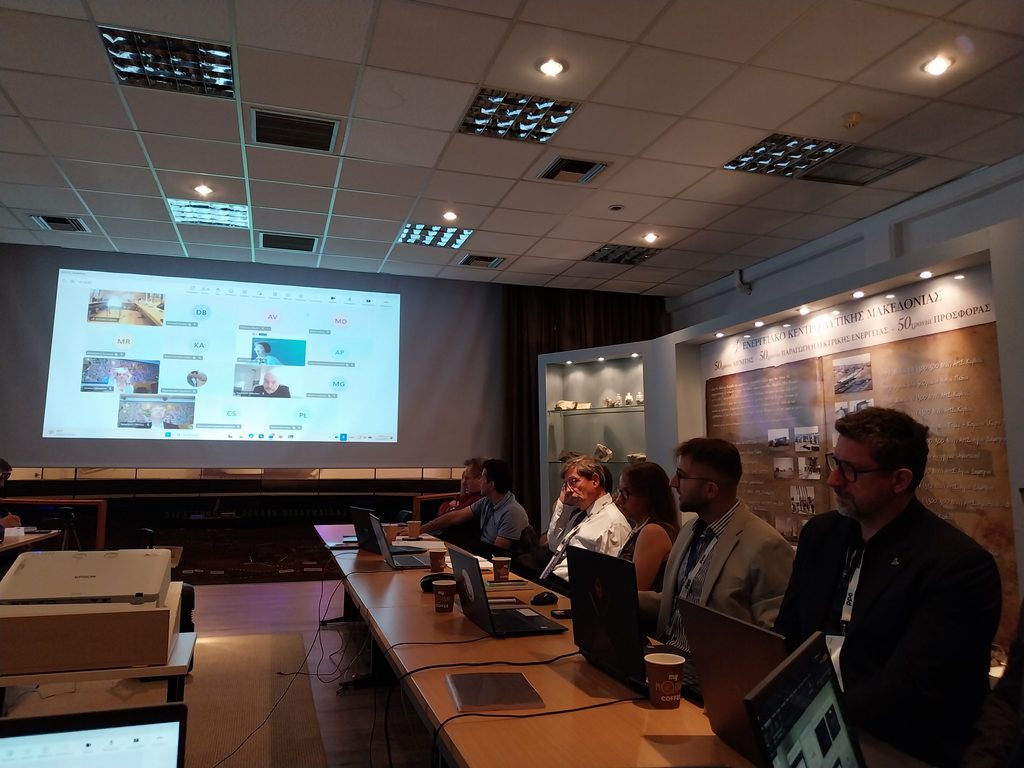
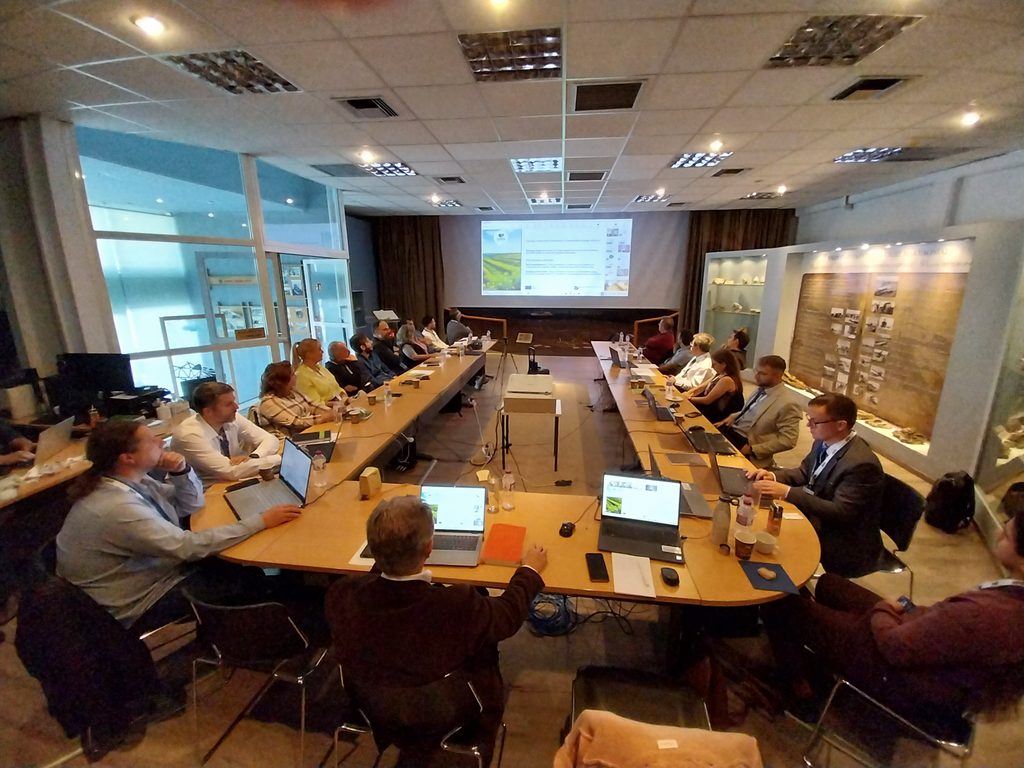
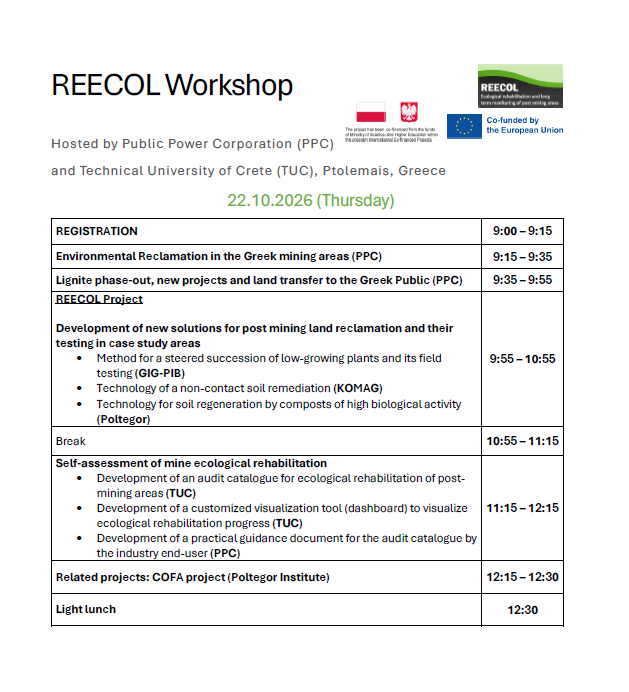
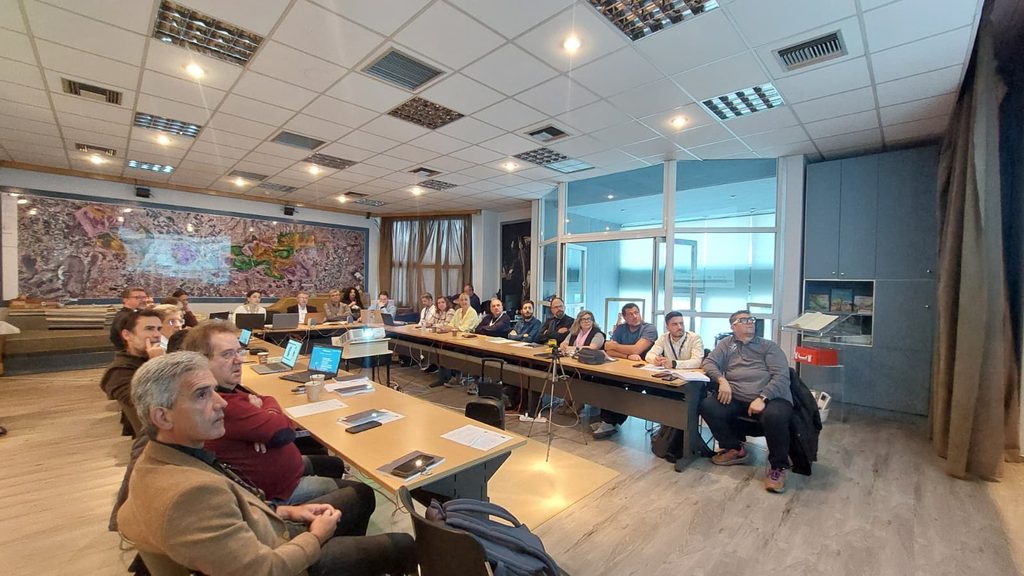
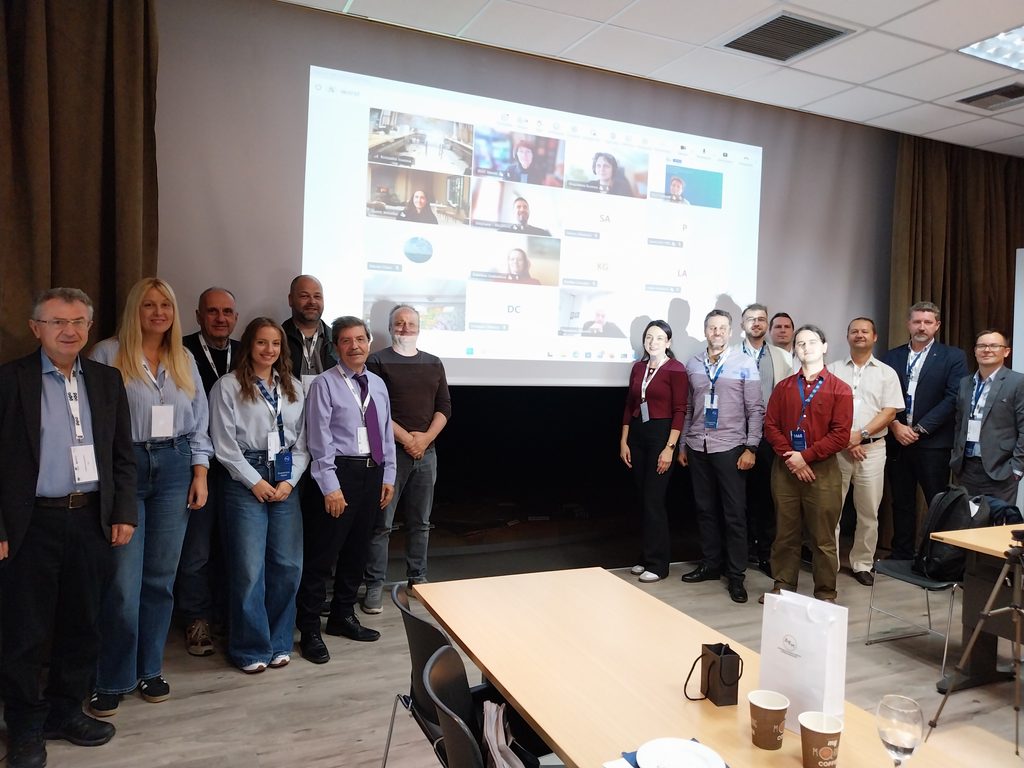
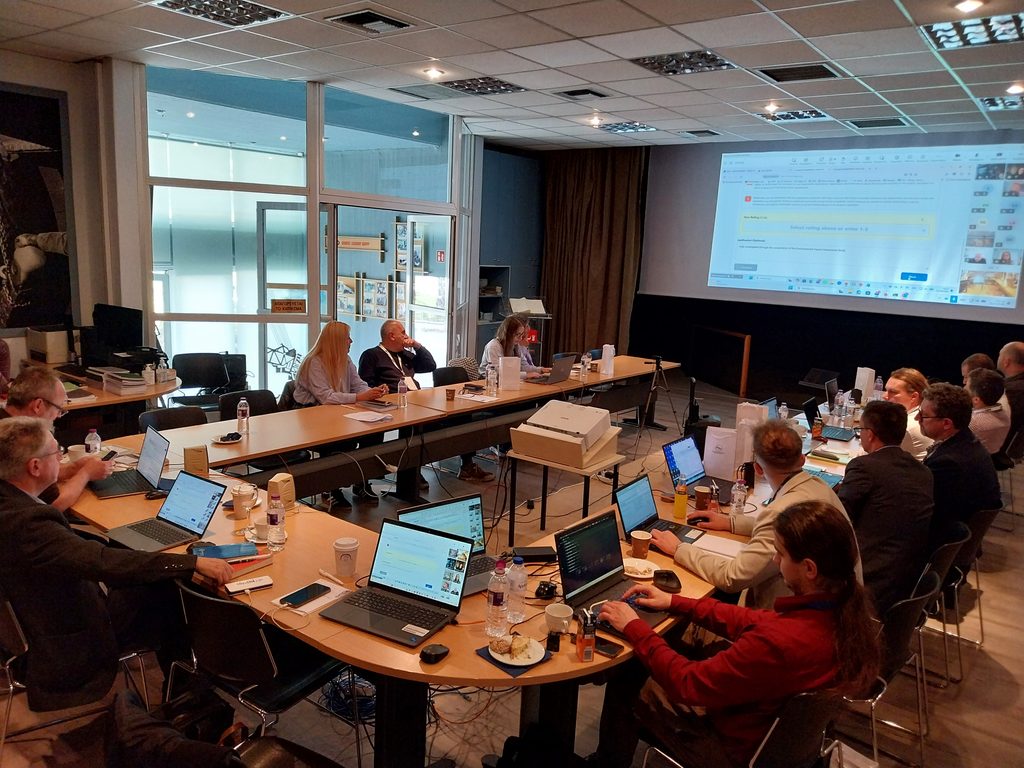
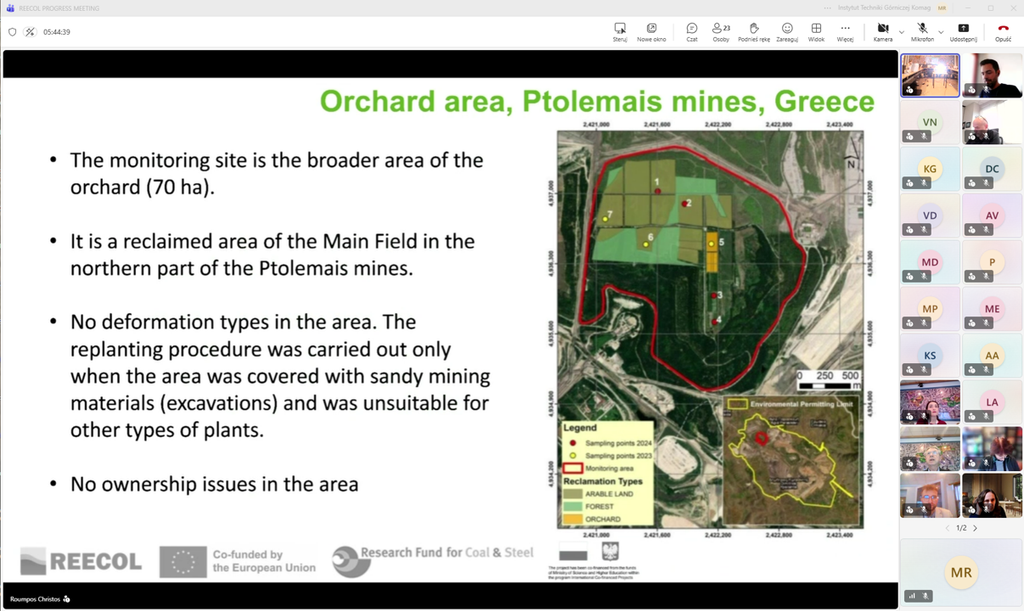
A REECOL workshop co-organized by the Public Power Corporation (PPC) and the Technical University of Crete (TUC) took place on 22 October 2026. During the event, project partners attending in person and online presented the results of their work. At the beginning of the workshop, PPC outlined the current situation regarding the reclamation of mining areas in Greece, the phase-out of lignite mining and the transfer of former mining land to public ownership. The workshop also featured a presentation by the Poltegor Institute, which introduced the main concepts of the COFA Project, another initiative focused on post-mining areas. Among the audience there were representatives from: the METAVASI S.A., the Region of Western Macedonia, the University of Western Macedonia, and the Chemical Process and Energy Resources Institute of the Centre of Research & Technology Hellas.
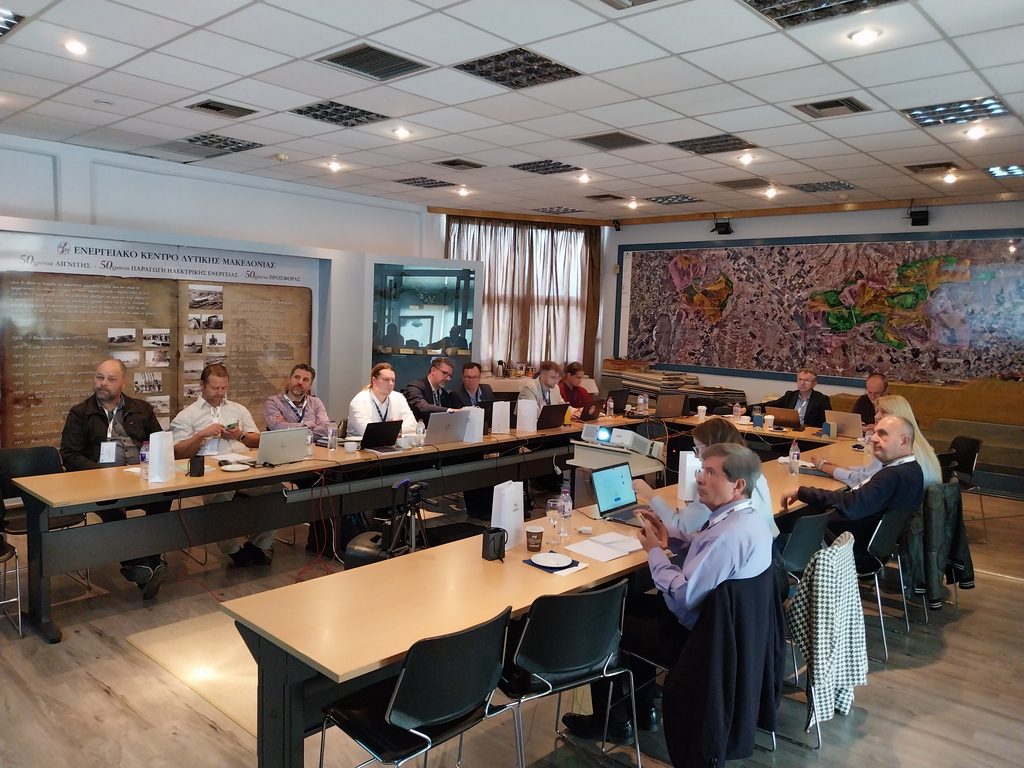
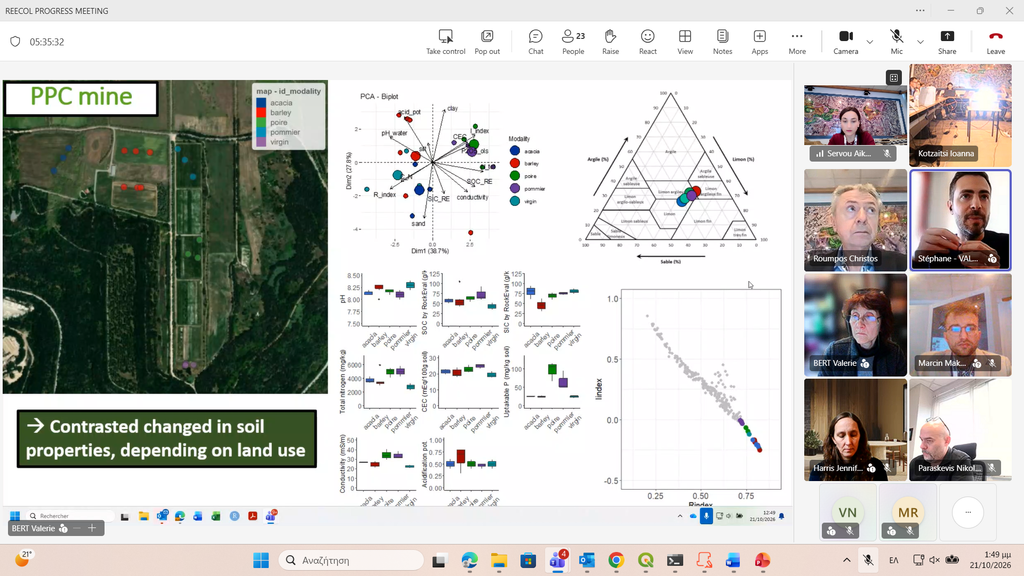
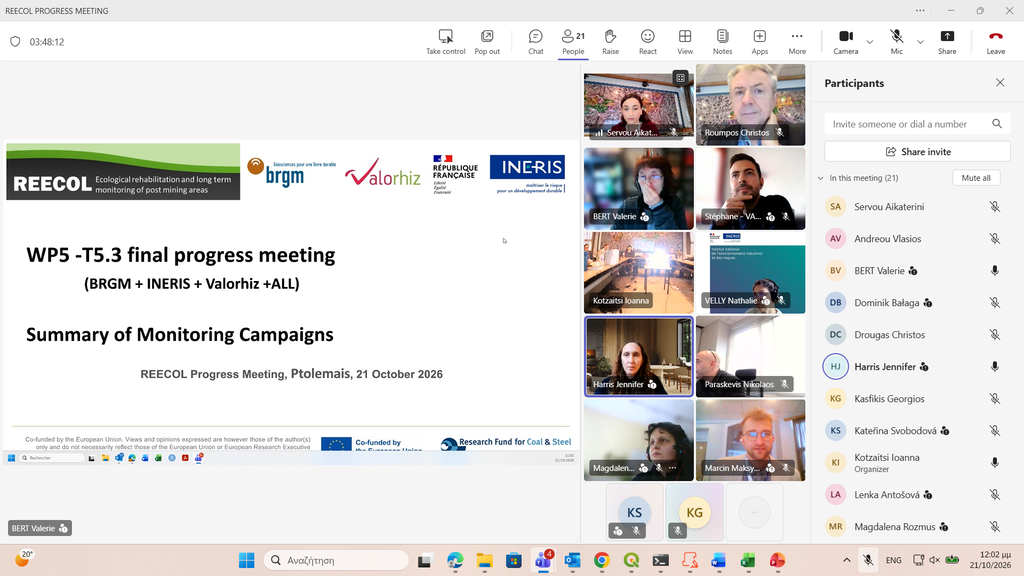
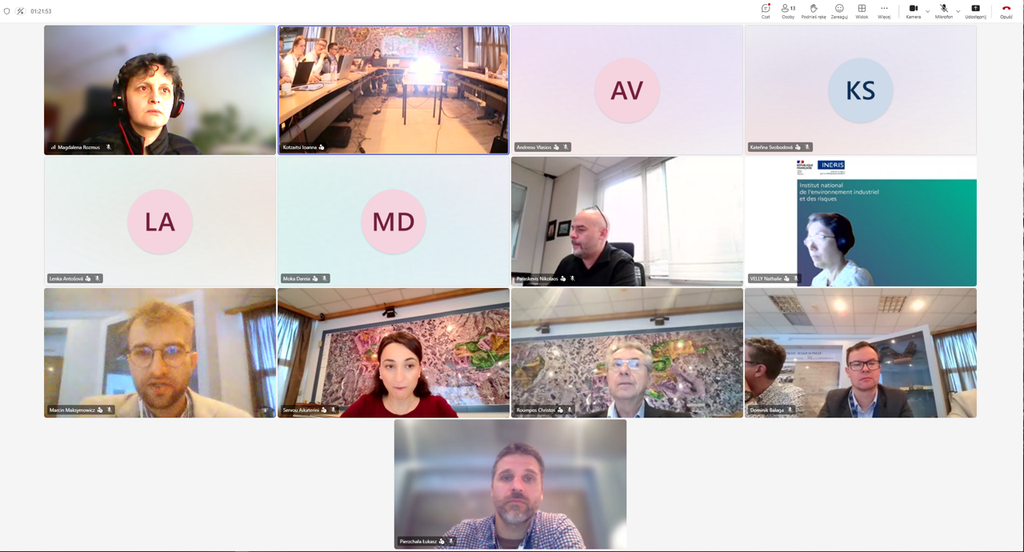
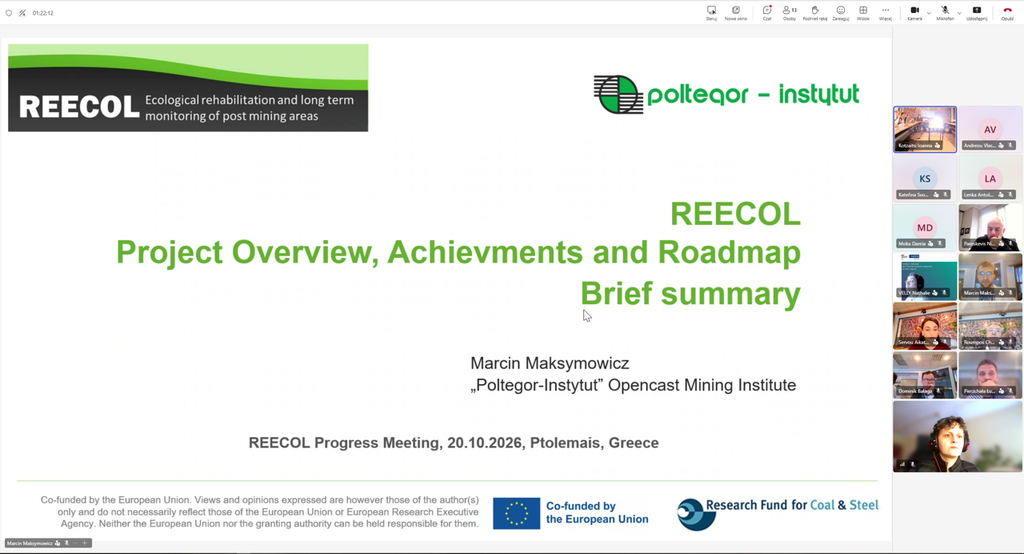
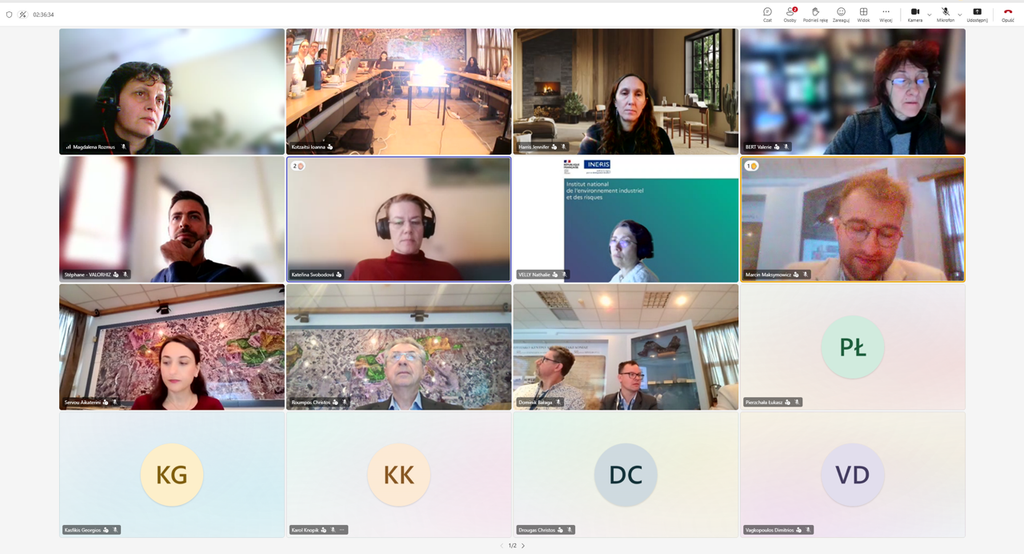
The REECOL consortium met to discuss project progress, with PPC hosting the meeting. It was a valuable opportunity to review the activities carried out so far and to discuss plans and priorities for the remaining project period. The partners also exchanged views on the prospects for the continued use and further development of REECOL results beyond the project’s lifetime
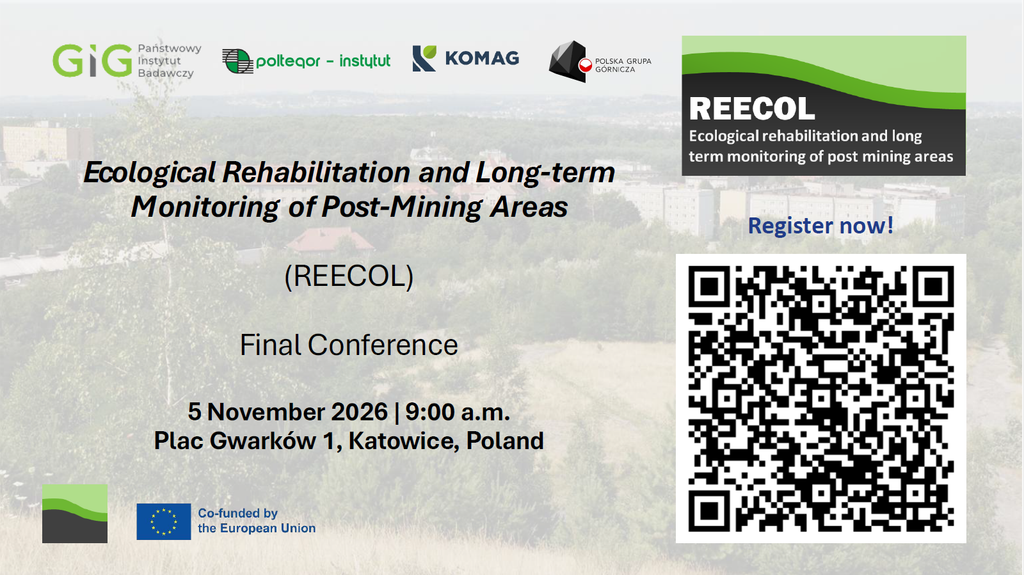
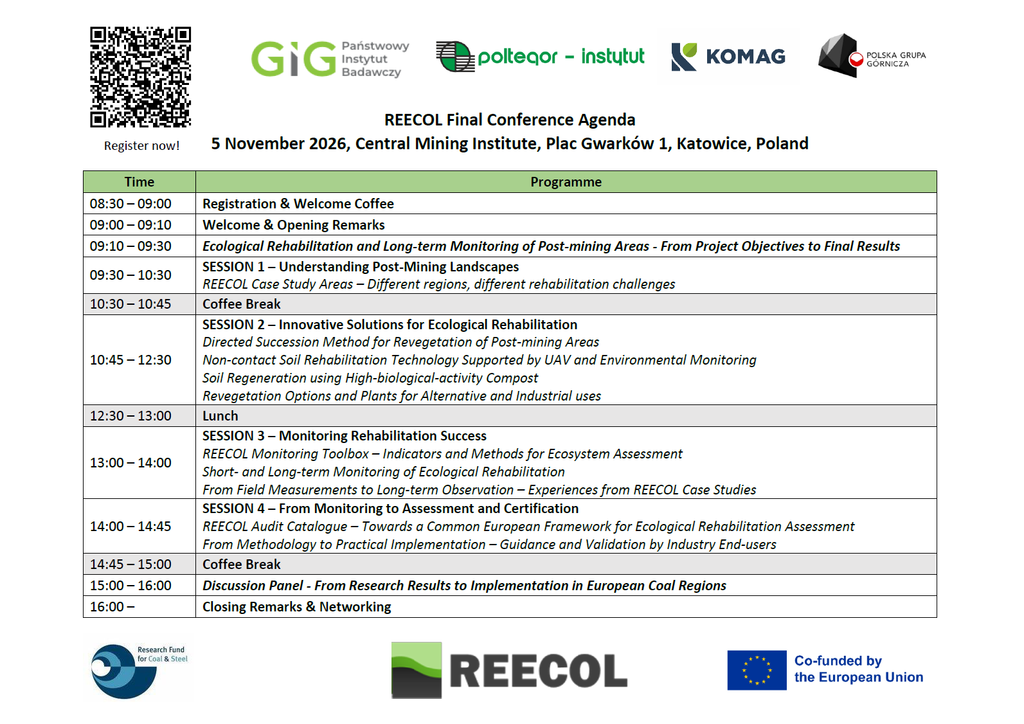
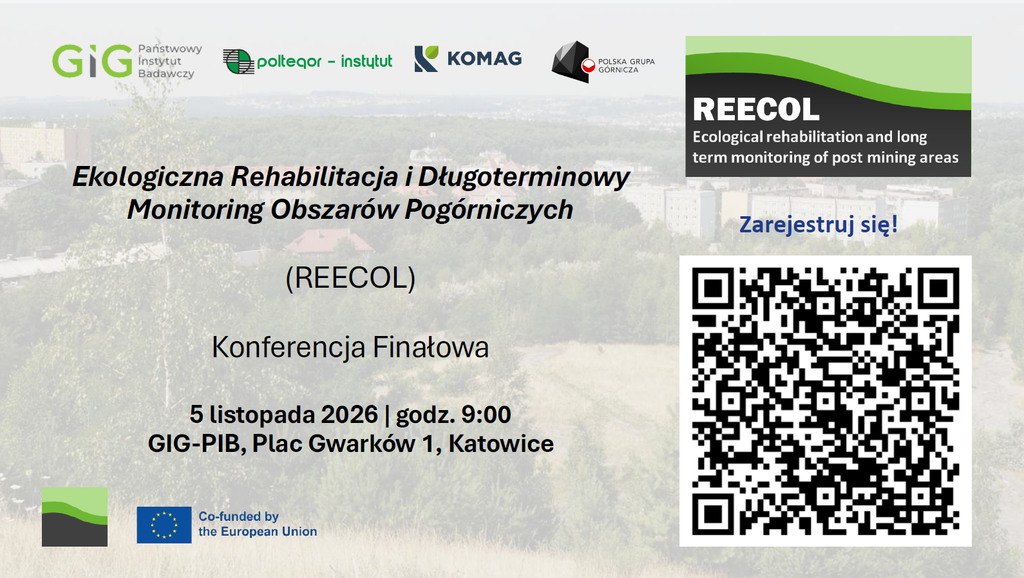
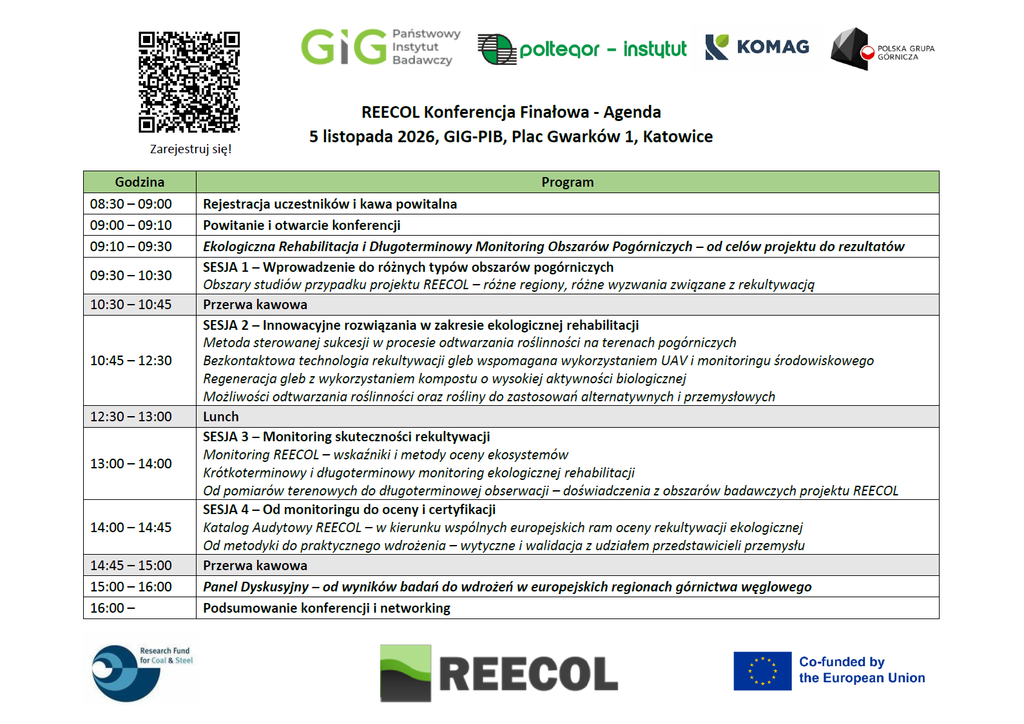
We invite you to attend the REECOL project’s final conference organized by the GIG-PIB. Practical information: –Date: 5 November 2026, 8:30 a.m.– 4:00 p.m. – Venue: Central Mining Institute – National Research Institute, Conference Room, Plac Gwarków 1, 40-166 Katowice, Poland –Participation: Free of charge –Format: On-site or online viaMS Teams –Conference languages: Polish and English; simultaneous interpretation will be provided. –Refreshments: Coffee breaks with snacks and lunch will be provided for on-site participants. –Registration: The registration form is available via the QR code included in the invitation or directly at the followinglink https://sl1nk.com/t44qo7t.
The conference will present the project’s key results, experiences gained at research sites located in different regions of Europe, and innovative solutions supporting effective, long-term reclamation of post-mining areas.
SCOPE: The programme will feature presentations on the directed succession method for revegetation, non-contact soil rehabilitation technologies supported by unmanned aerial vehicles (UAVs), soil regeneration using high-biological-activity compost, and methods for monitoring and assessing ecosystem conditions. The REECOL Audit Catalogue, aimed at supporting the development of a common European framework for ecological rehabilitation assessment, will also be presented.
The conference will also provide an opportunity to discuss the practical implementation of research findings, cooperation between science and industry, and the potential for applying the developed solutions in European coal-mining regions.
FUNDING: The project is co-funded by the European Union through the Research Fund for Coal and Steel (RFCS) and by the Polish Ministry of Science and Higher Education.
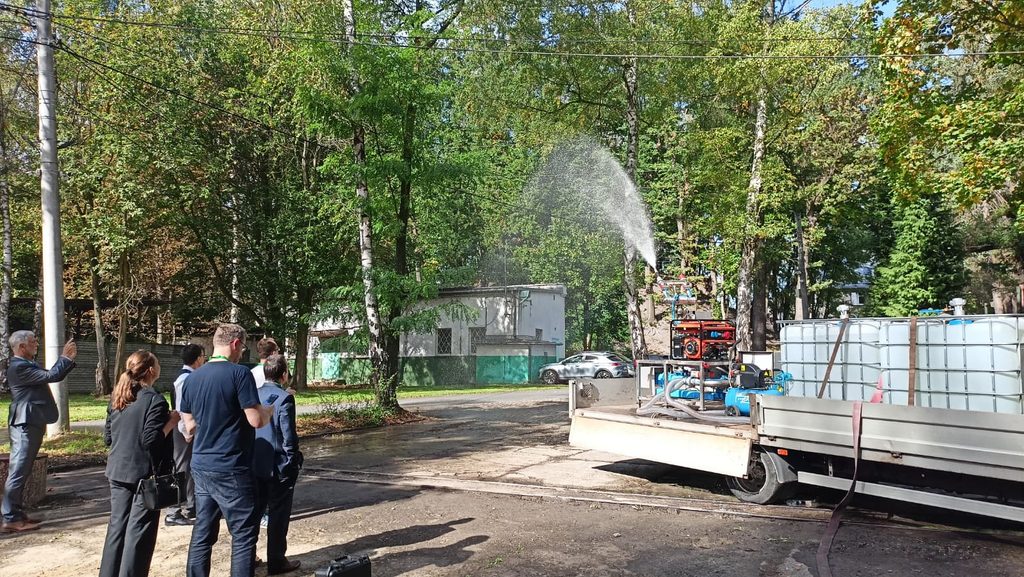
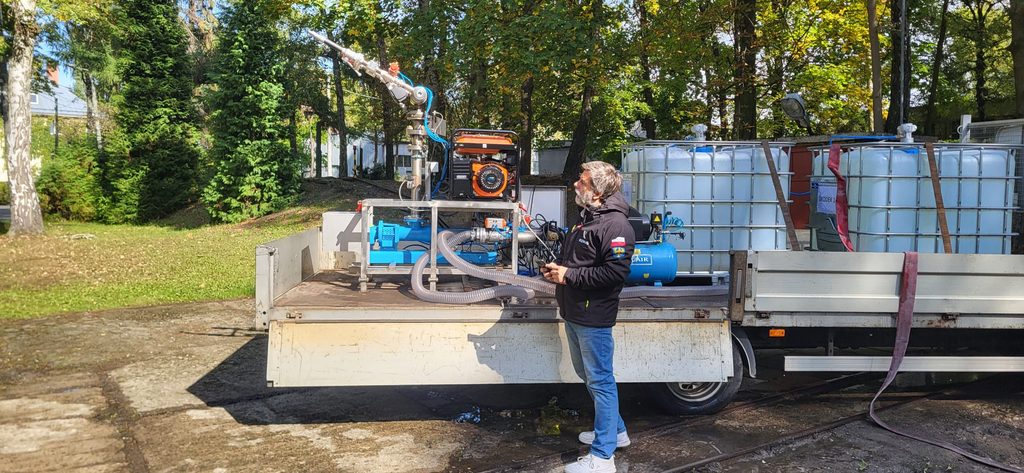
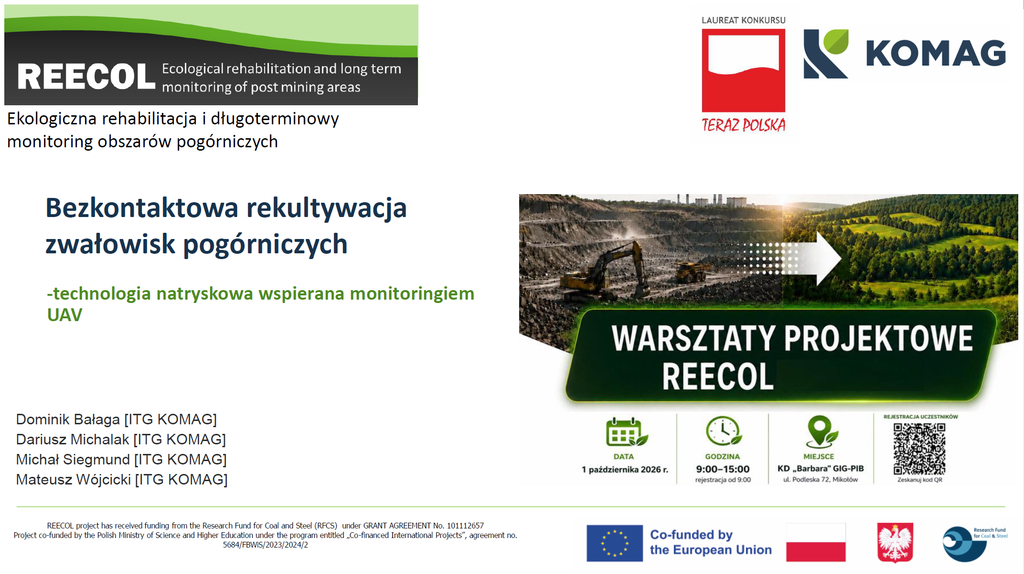
On 1 October 2026, a joint workshop of the REECOL and GI-MINE projects was held at the GIG-PIB’ “Barbara” Experimental Mine, bringing together representatives of cities, the mining sector, research institutions and project partners. The REECOL session featured presentations by Główny Instytut Górnictwa – Państwowy Instytut Badawczy, Poltegor-Instytut and Instytut KOMAG, showcasing solutions and results developed within the project, including approaches to vegetation selection for post-mining areas, materials supporting reclamation, and contactless technology for applying reclamation agents combined with UAV-based monitoring. Particular attention was given to an approach in which monitoring of vegetation condition and substrate parameters helps identify areas requiring targeted interventions. This can enable local reseeding, irrigation or additional application of organic material, without the need to repeat reclamation treatments across the entire area. The event also featured an outdoor demonstration of the spray system developed within REECOL, giving participants a practical insight into the technology being developed by the project. The workshop provided a valuable opportunity to discuss with representatives of cities and the mining sector how REECOL results can support the practical reclamation and future management of post-mining areas.
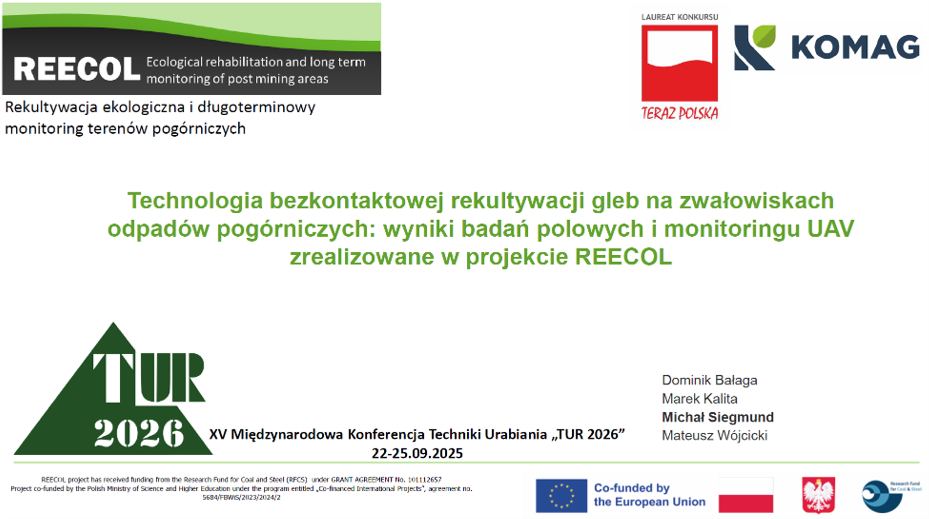
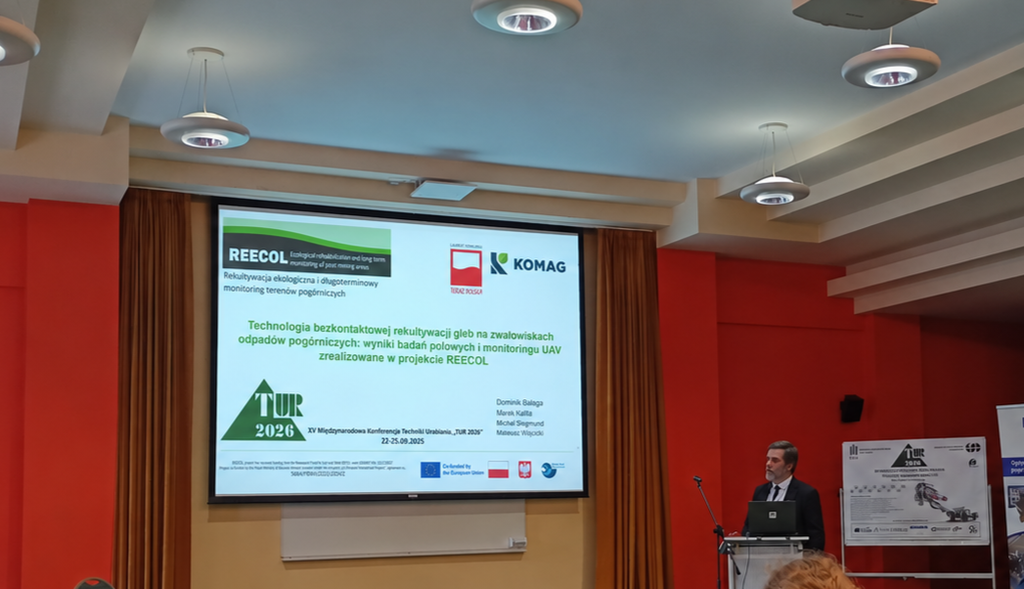
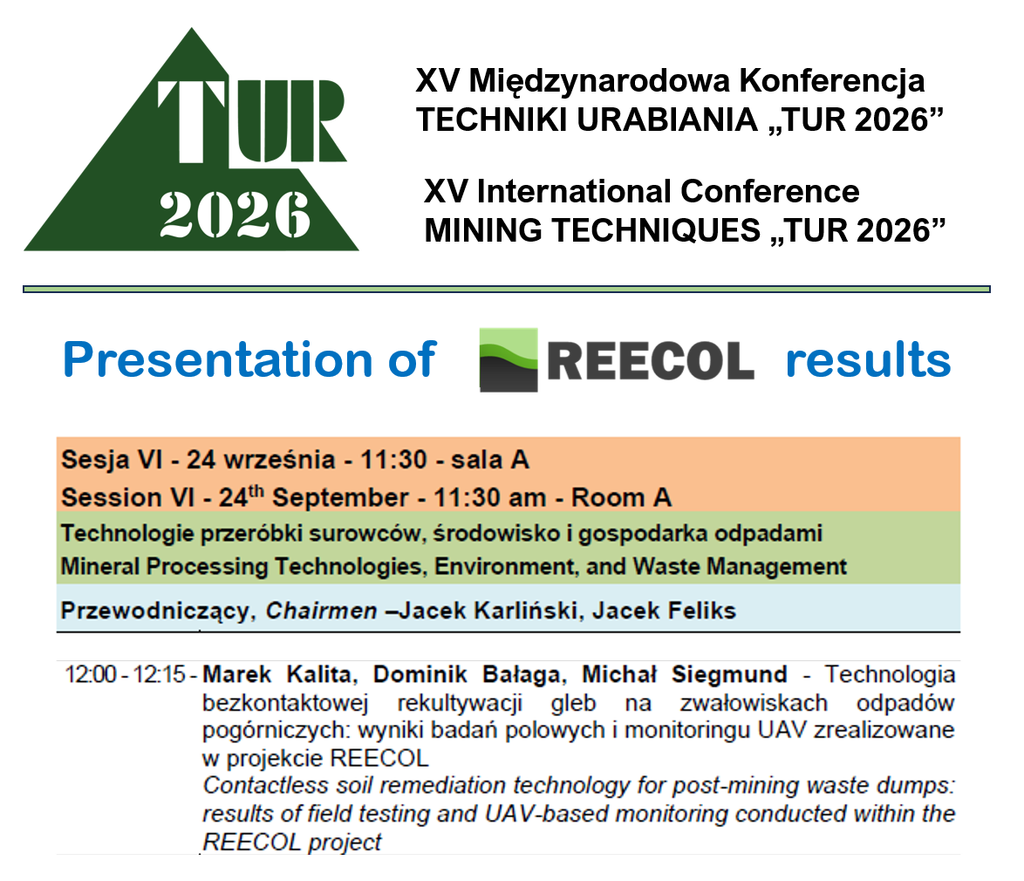
REECOL results were showcased at international conference TUR2026. A presentation “Contactless soil remediation technology for post-mining waste dumps: results of field testing and UAV-based monitoring conducted within the REECOL project” was given by KOMAG.
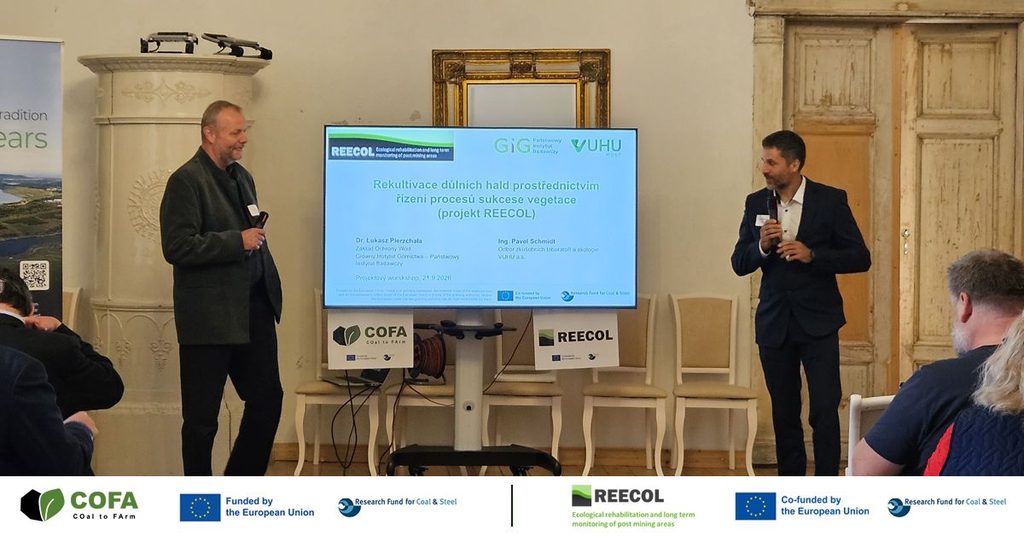
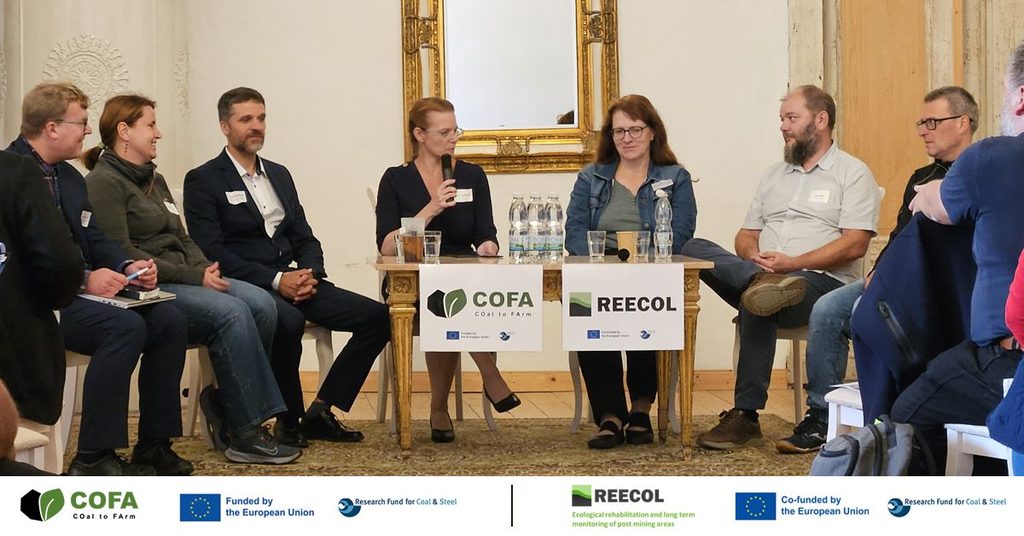
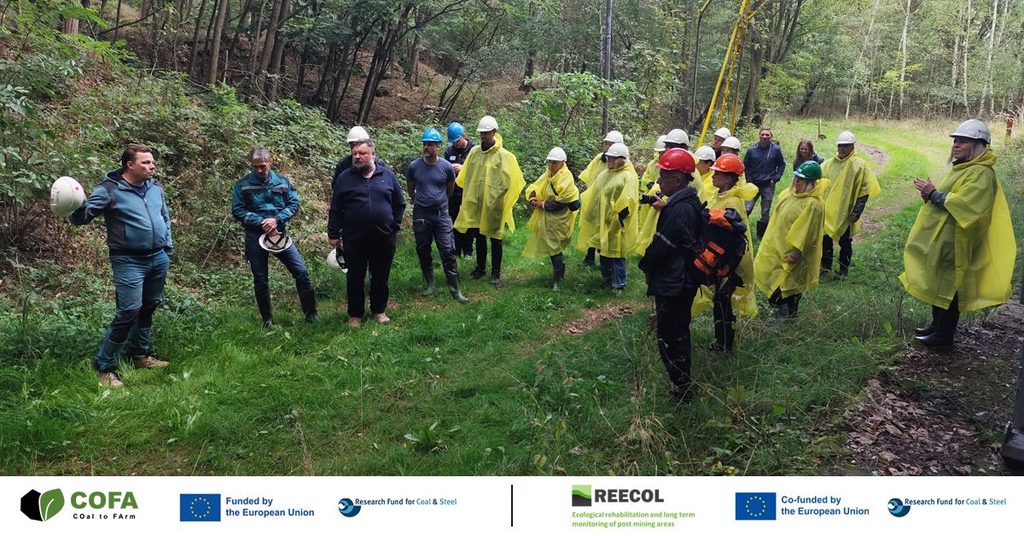
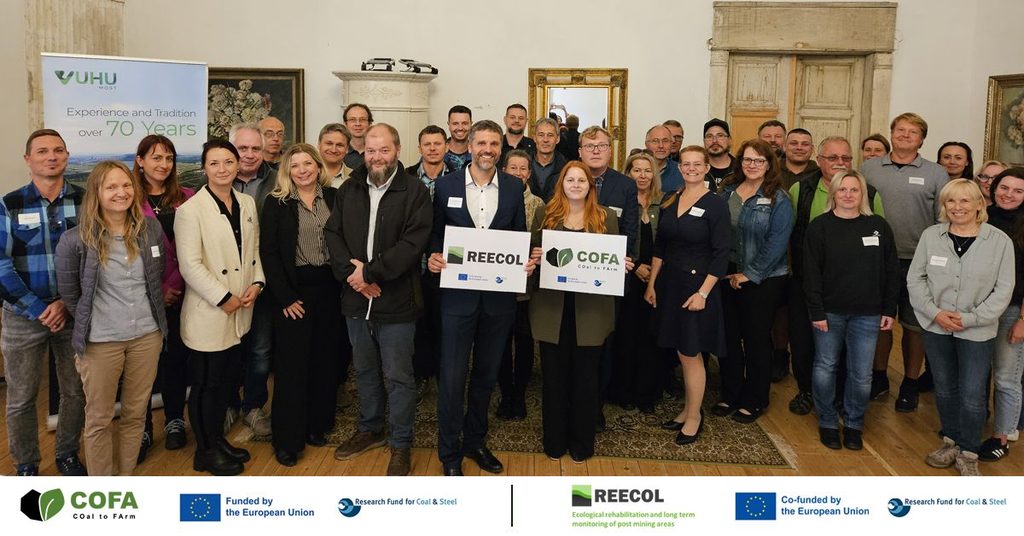
REECOL findings and results were presented at a specialist workshop focusing on the restoration and future use of land affected by mining organized by VUHU. The workshop was attended by representatives of the state administration, professional institutions and, above all, the academic community. It is the interconnection of research, professional practice and public administration that is important for finding solutions that can have a real impact on the future shape of the post-mining landscape. The program ended with a panel discussion on the potential of growing fast-growing crops in post-mining areas in the Ústí nad Labem Region and an expert tour of the Jezeří exploration gallery.
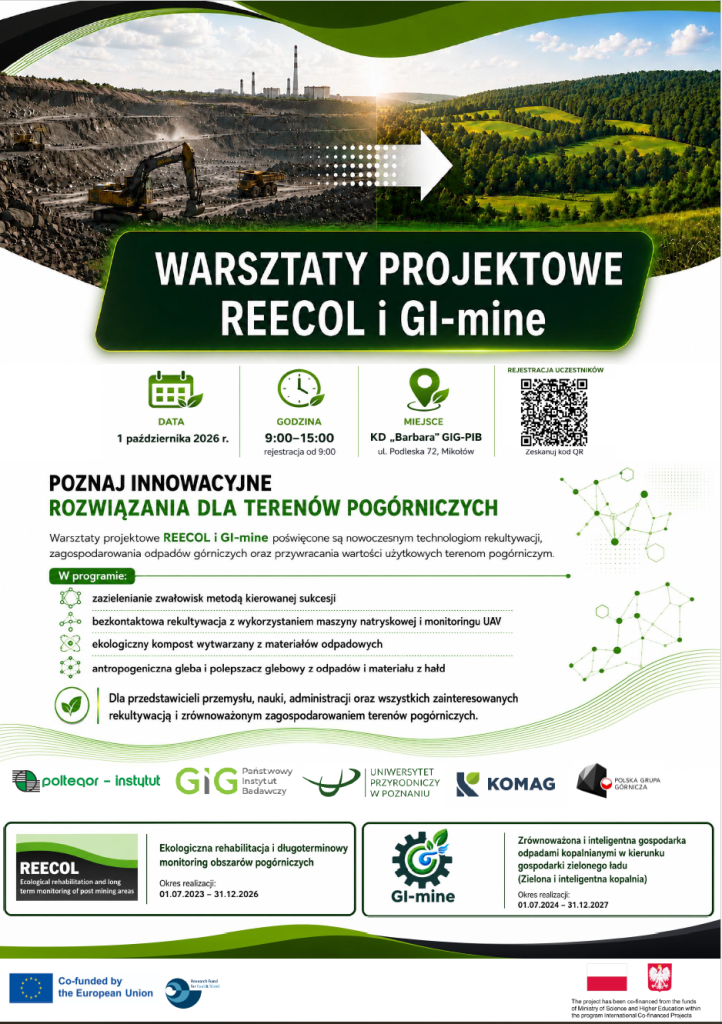
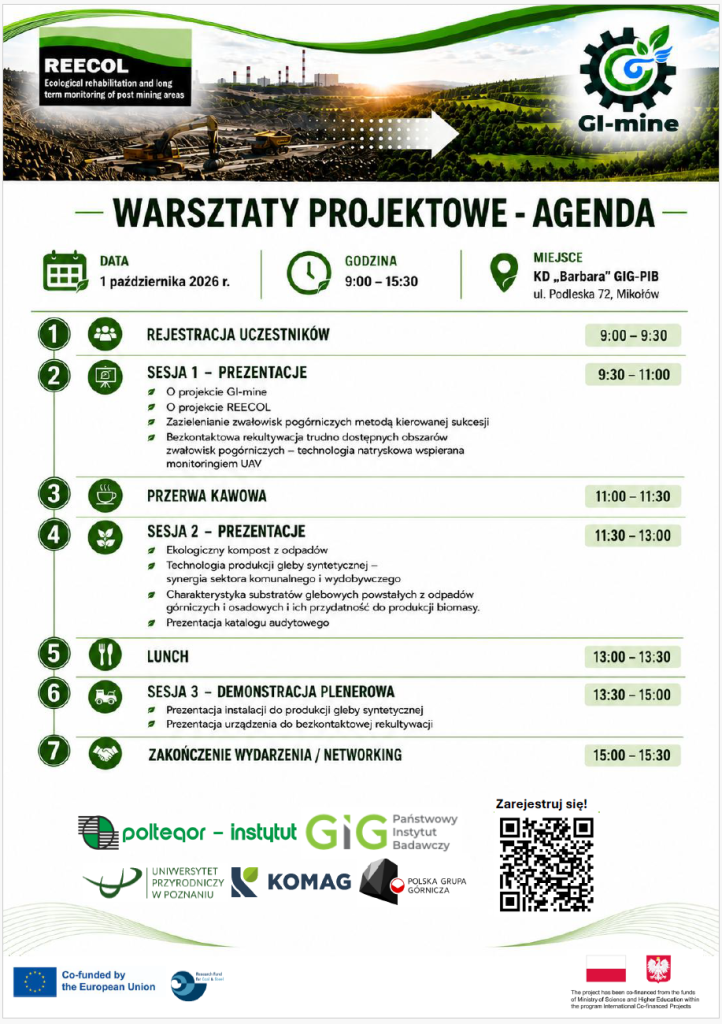
On 1 October, workshops presenting the results of the GI-mine and REECOL research projects will be held at the Experimental Mine Barbara in Mikołów. The event is aimed at representatives of the mining industry, research institutions, and public administration, as well as anyone interested in land reclamation and the restoration of the utility value of post-mining areas.
Participation in the event is free of charge. Coffee breaks, snacks, and lunch will be provided for participants. The detailed event agenda will be published at the end of August.
The workshops will showcase selected results from both projects, including:
a method for greening post-mining spoil heaps using directed succession, developed by GIG-PIB;
a technology for the non-contact reclamation of hard-to-reach post-mining areas — a spraying technology supported by UAV monitoring, developed by KOMAG, accompanied by a demonstration of the equipment;
an eco-friendly compost produced from waste materials (low-calorific coal, feathers, and straw), developed by Poltegor-Instytut;
a technology for producing synthetic soil, representing a synergy between the municipal and mining sectors, developed by GIG-PIB, accompanied by a demonstration of the production facility.
We are proud to announce that the compost developed by Poltegor-Instytut within the REECOL project was awarded with Gold Medal during INTARG-EKO 2026 (https://intarg.haller.pl/). This innovative compost mixture with high biological activity, along with its production technology has been designed to support the reclamation of post-mining areas through soil rehabilitation while advancing circular economy principles. It is produced from lignite mining waste, straw, and poultry industry by-products (feathers), transforming these materials into a valuable resource for environmental restoration.
A national patent application for the invention has been submitted by the Poltegor-Institut.
The compost mixture and its production technology have currently reached TRL 5, with further research and development activities planned to advance the technology toward commercial implementation.
As part of the REECOL project activities, the team is currently conducting pre-feasibility studies and cost-beneft analyses for large-scale production and deployment of the compost in post-mining reclamation projects.