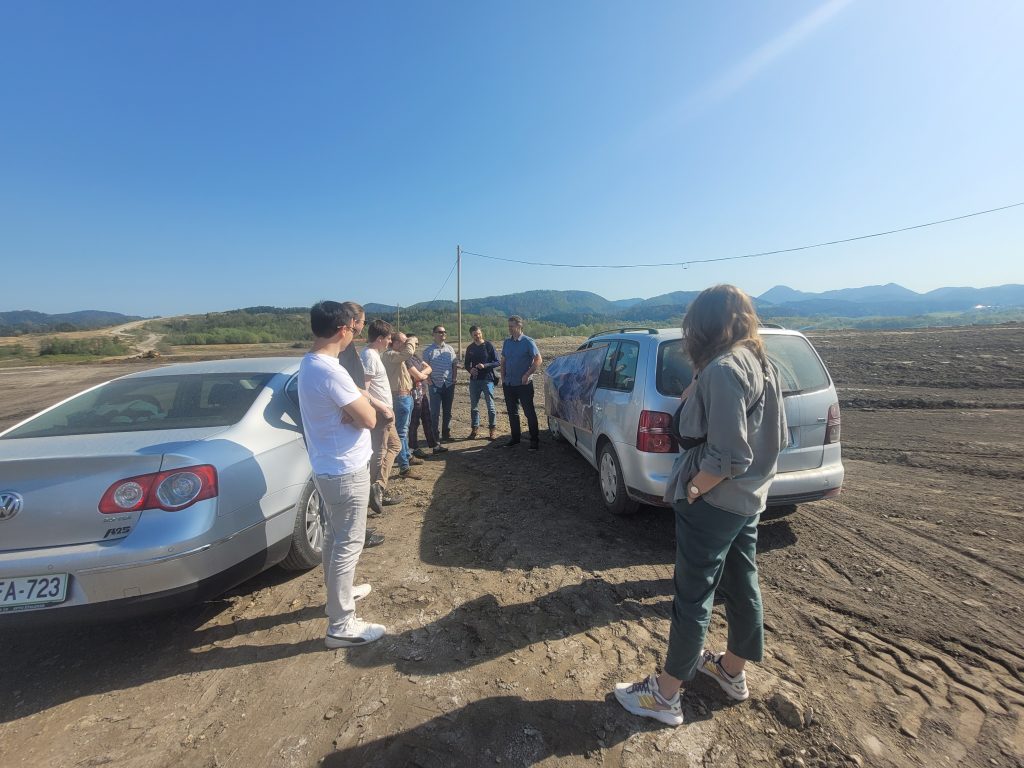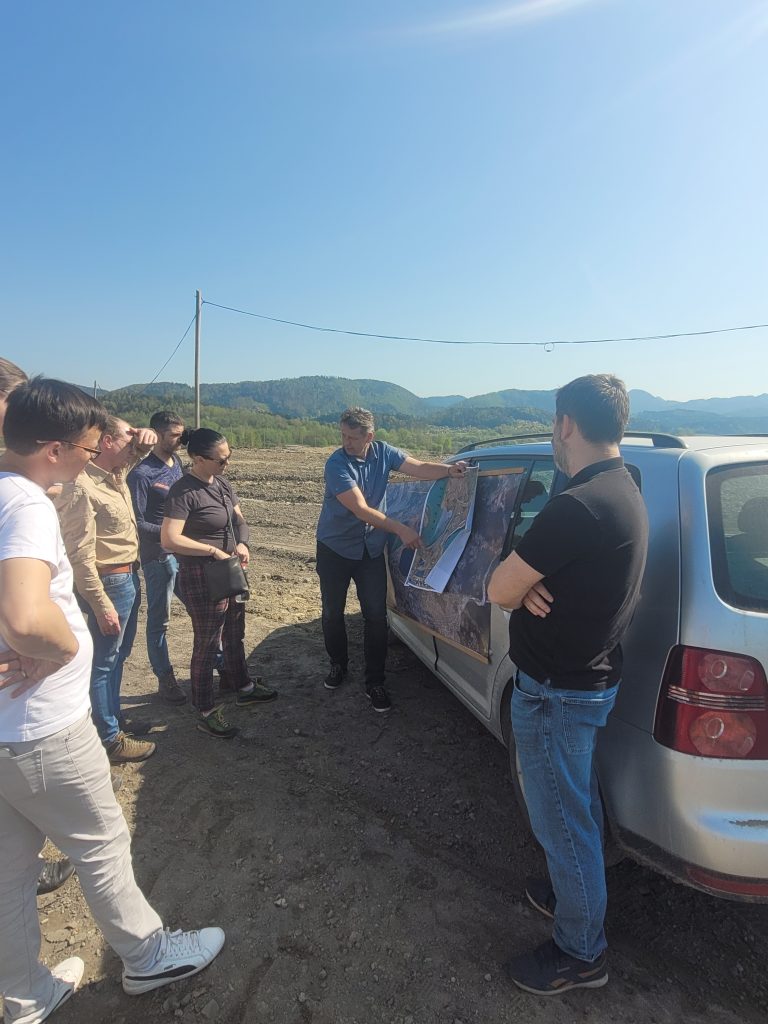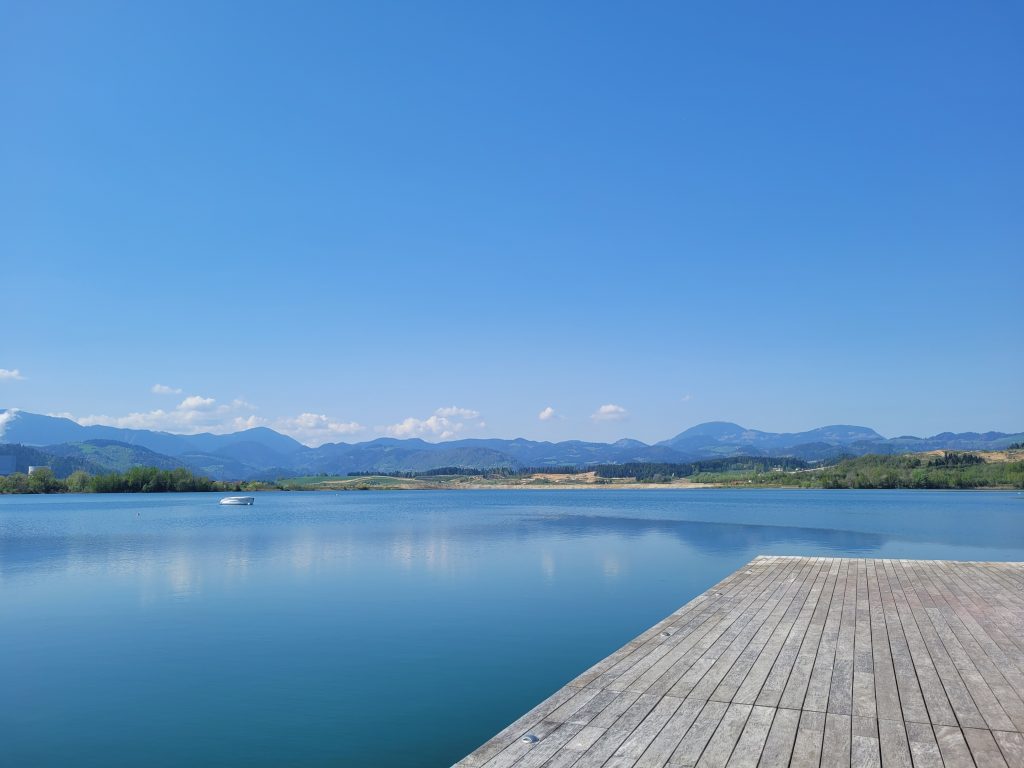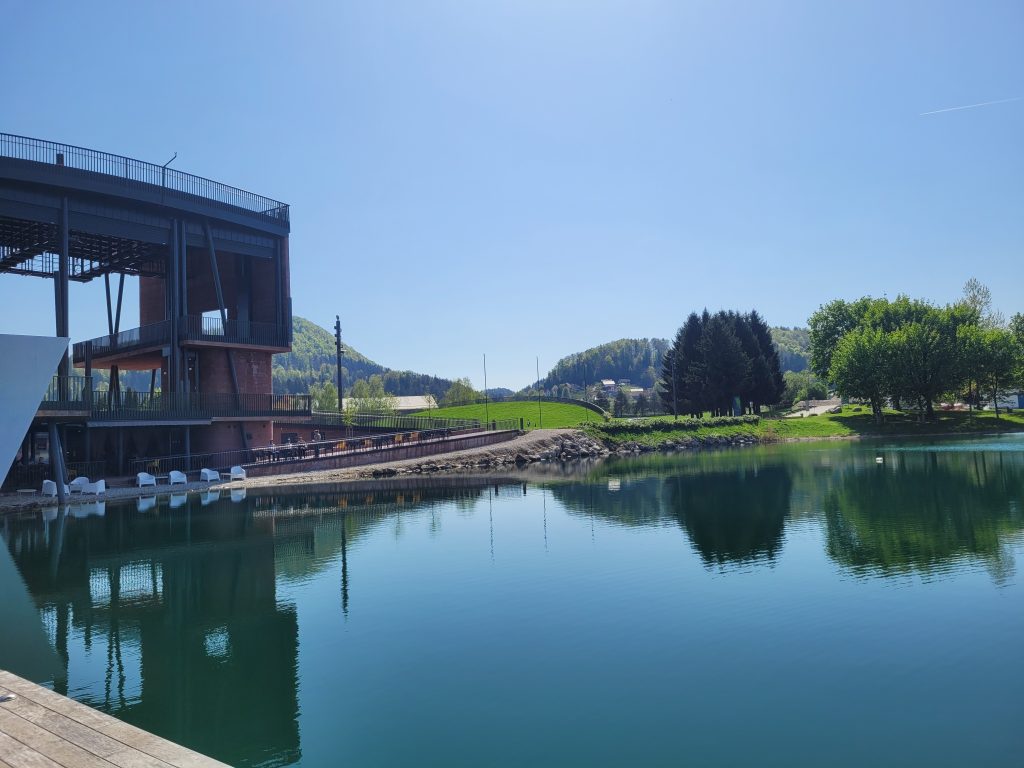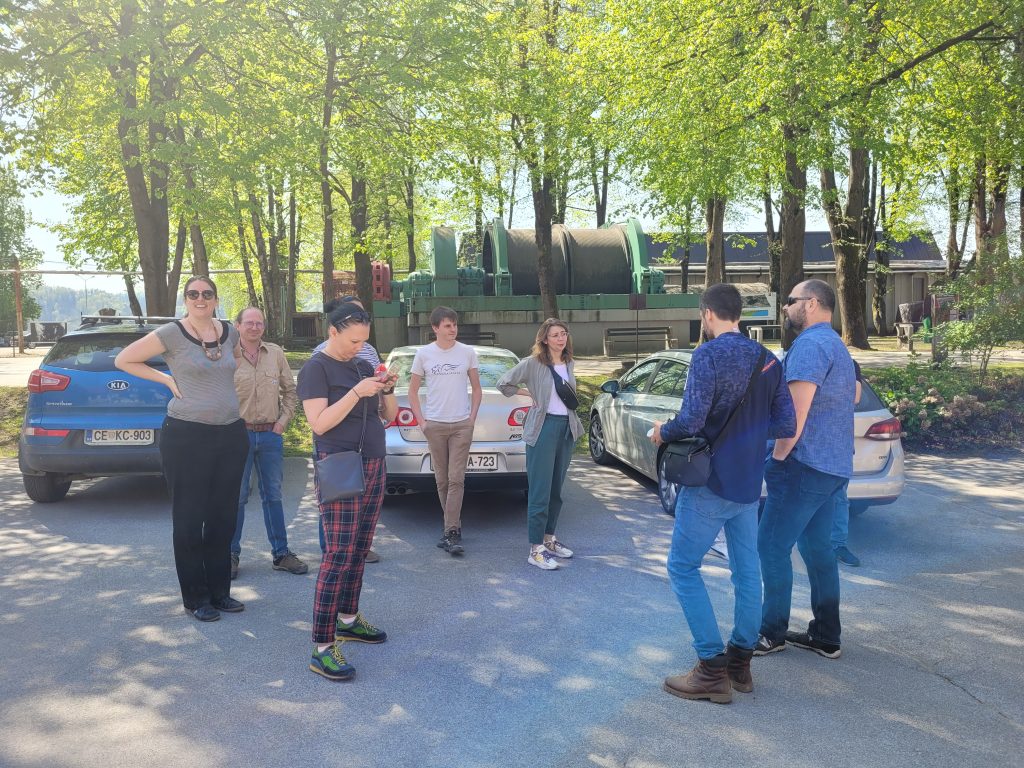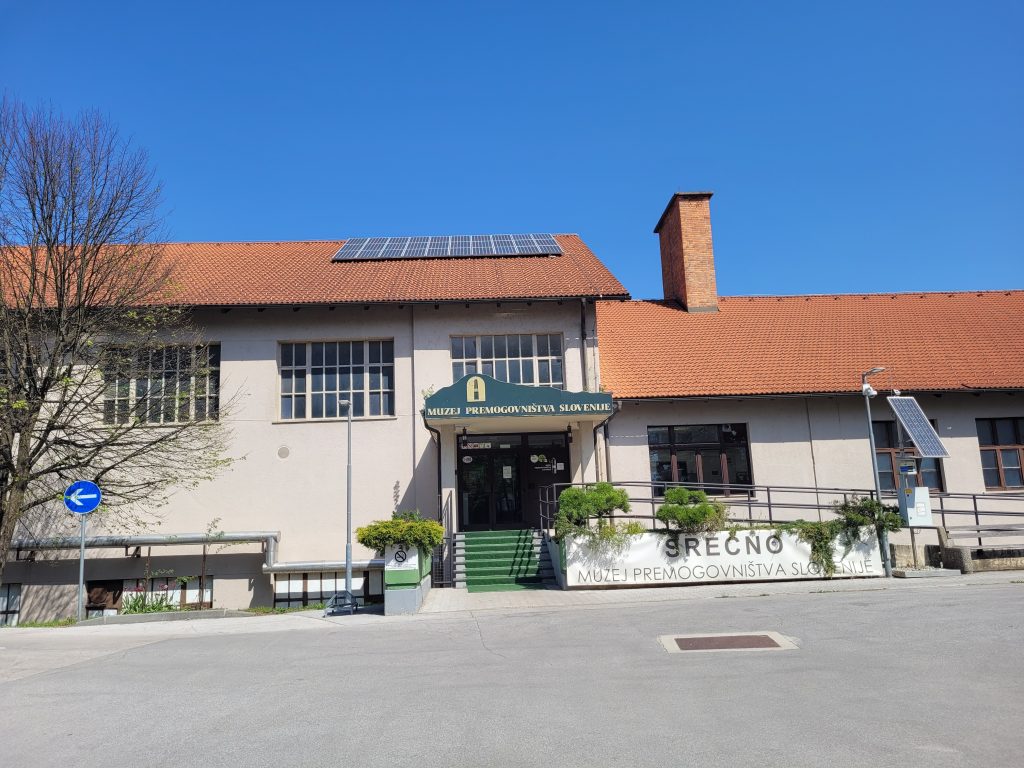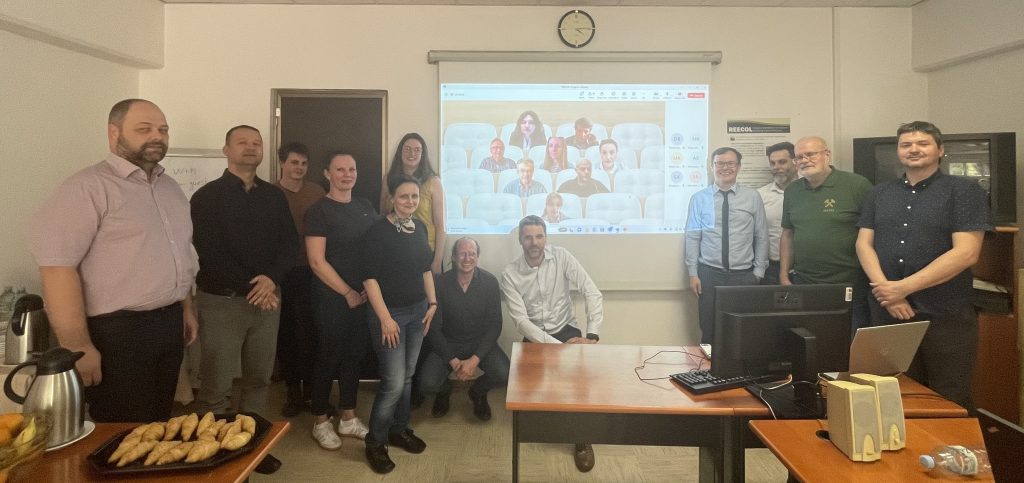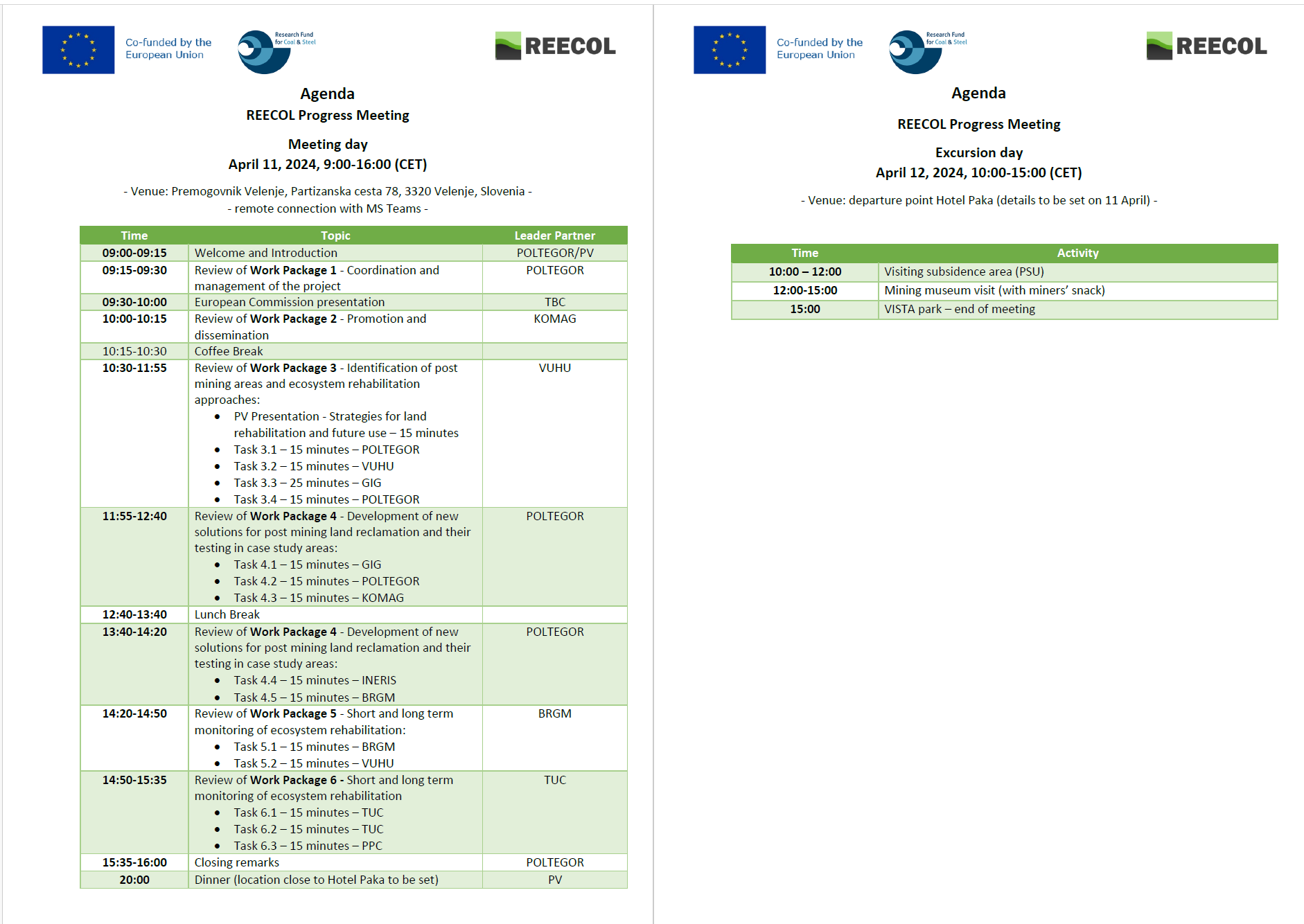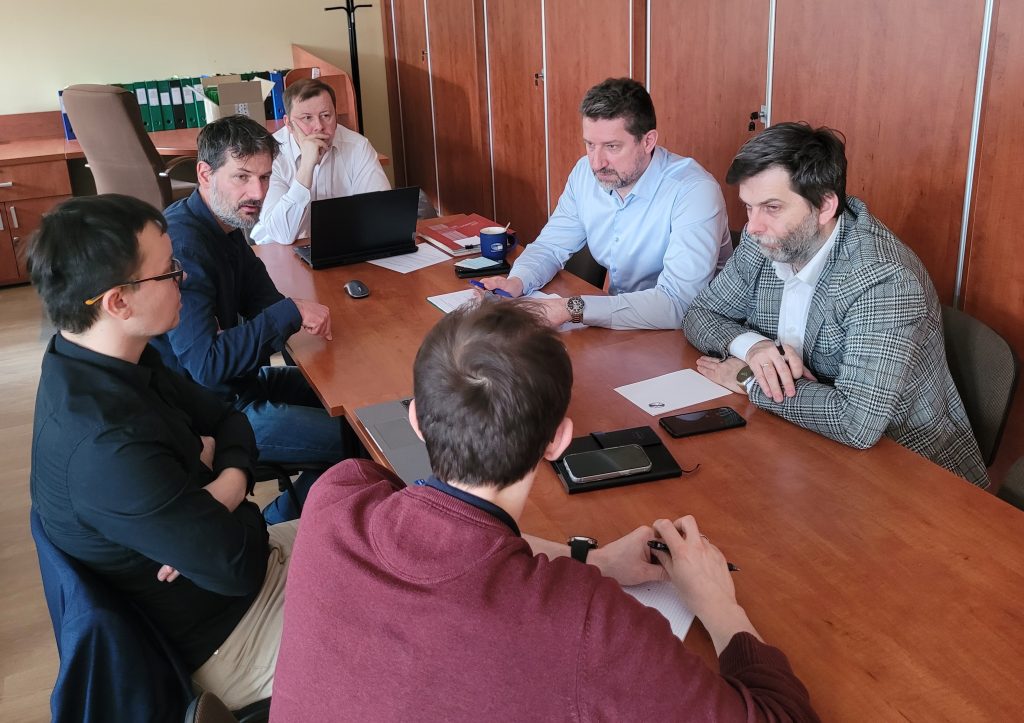
On 11.04.2024 the project partners met in person in Velenje (Slovenia) and online during a meeting hosted by Premogovnik Velenje (https://www.rlv.si/) to discuss the completed, current and future task. Each partner gave a presentation about their work.
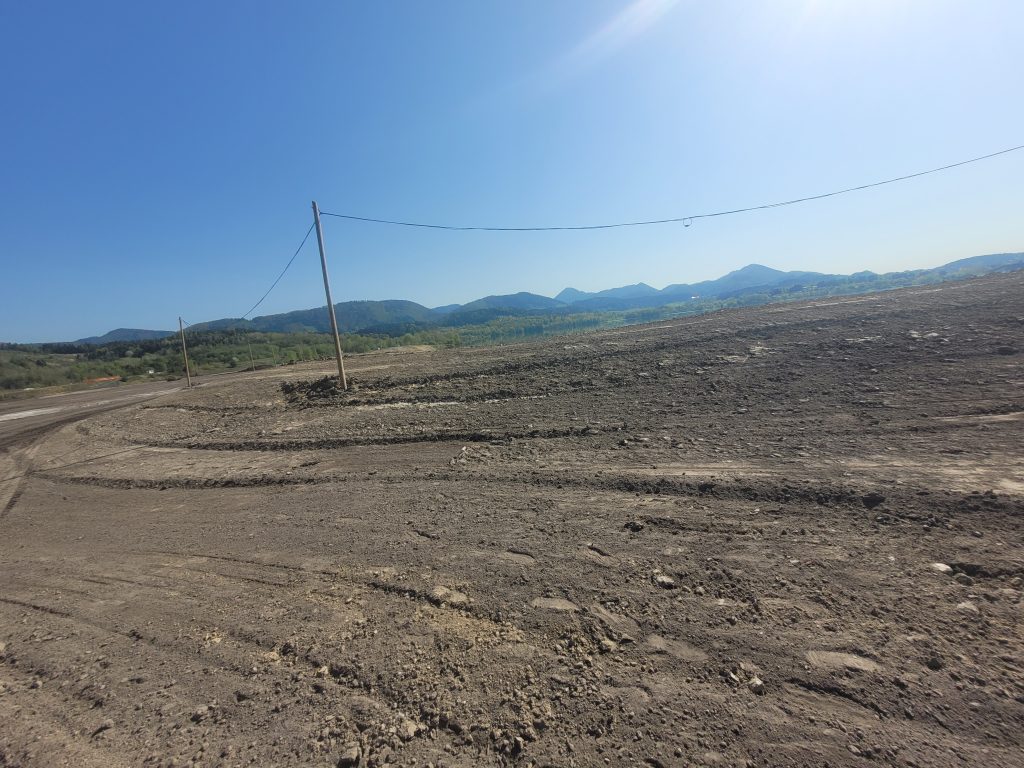
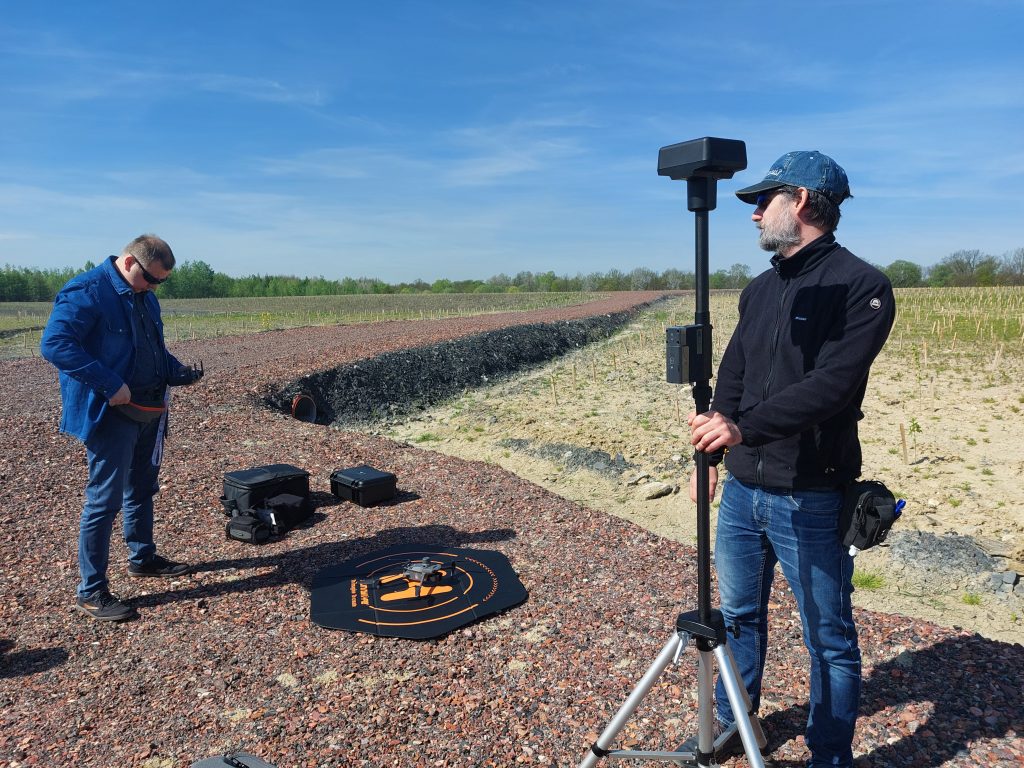
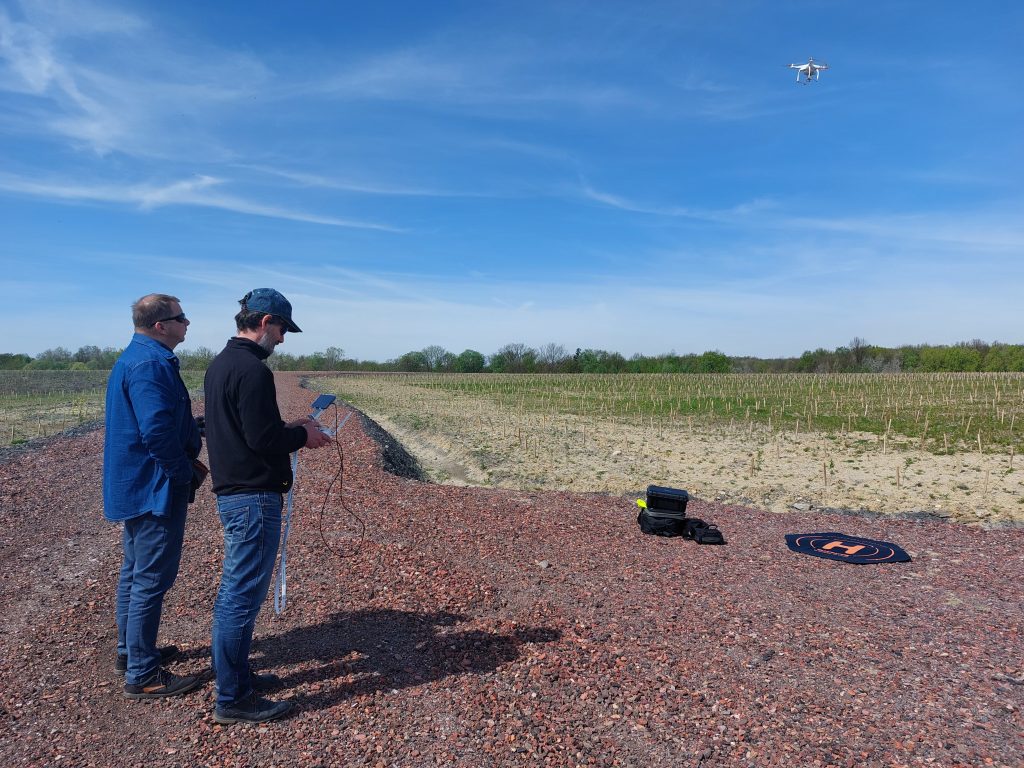
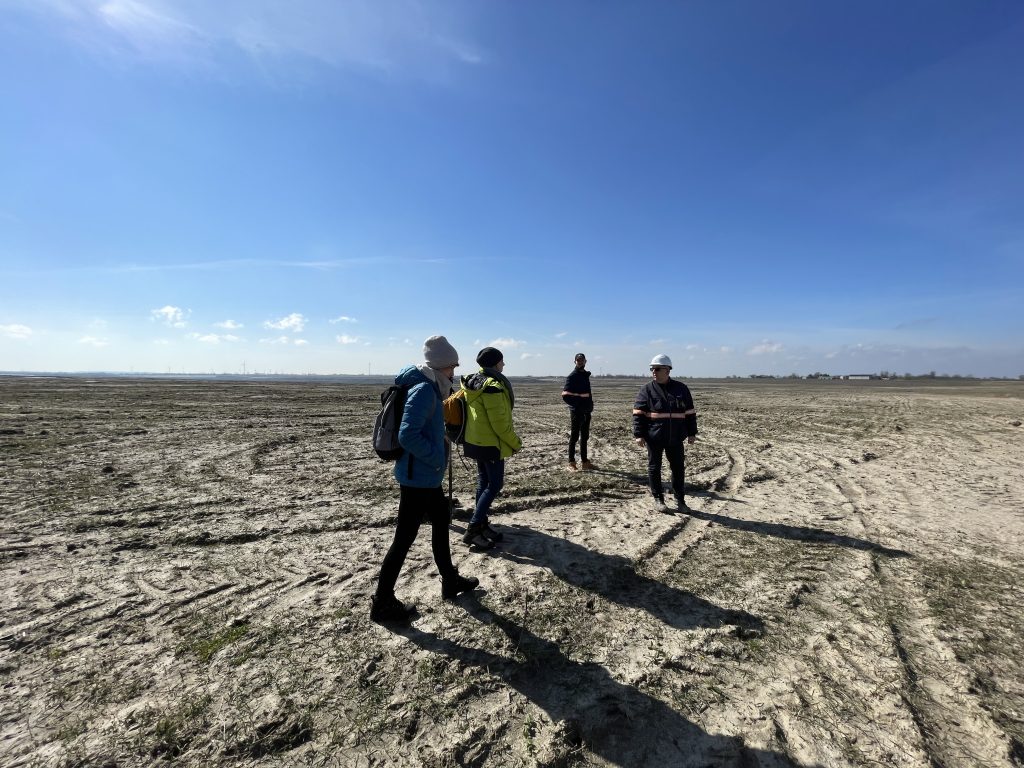
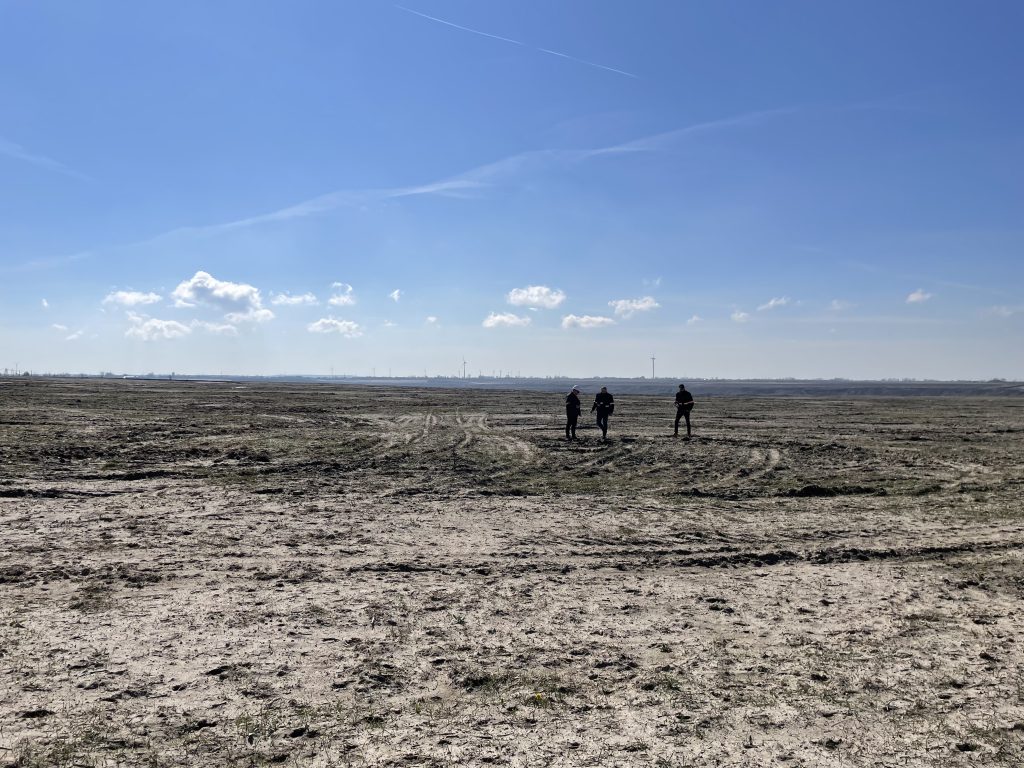
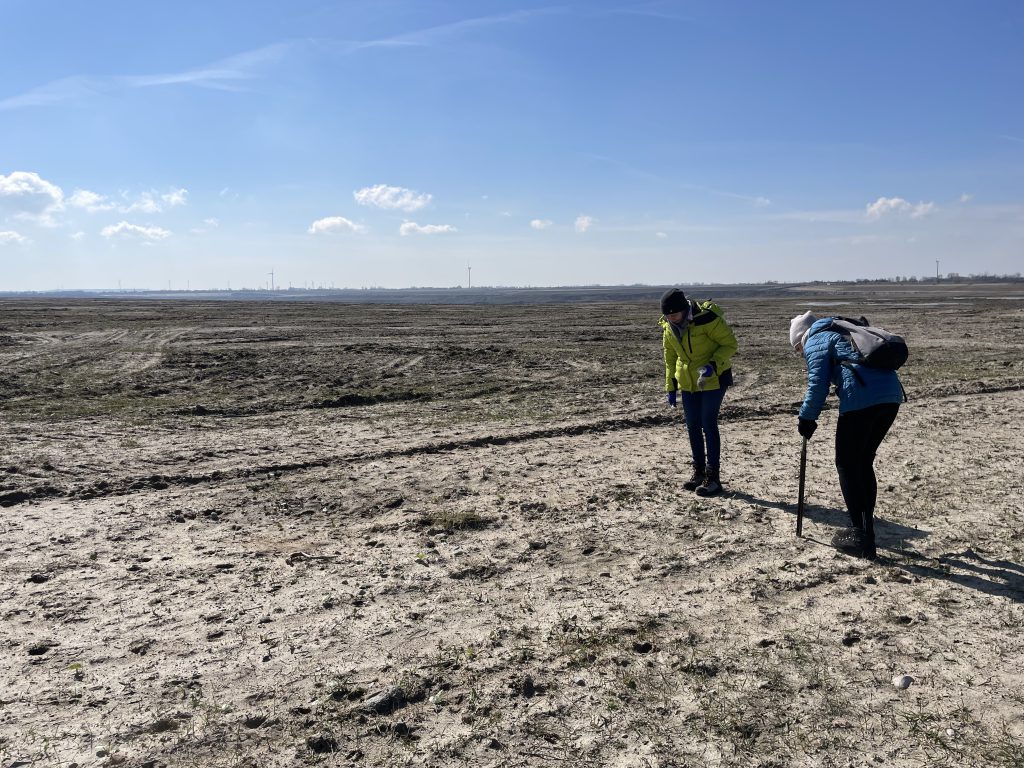
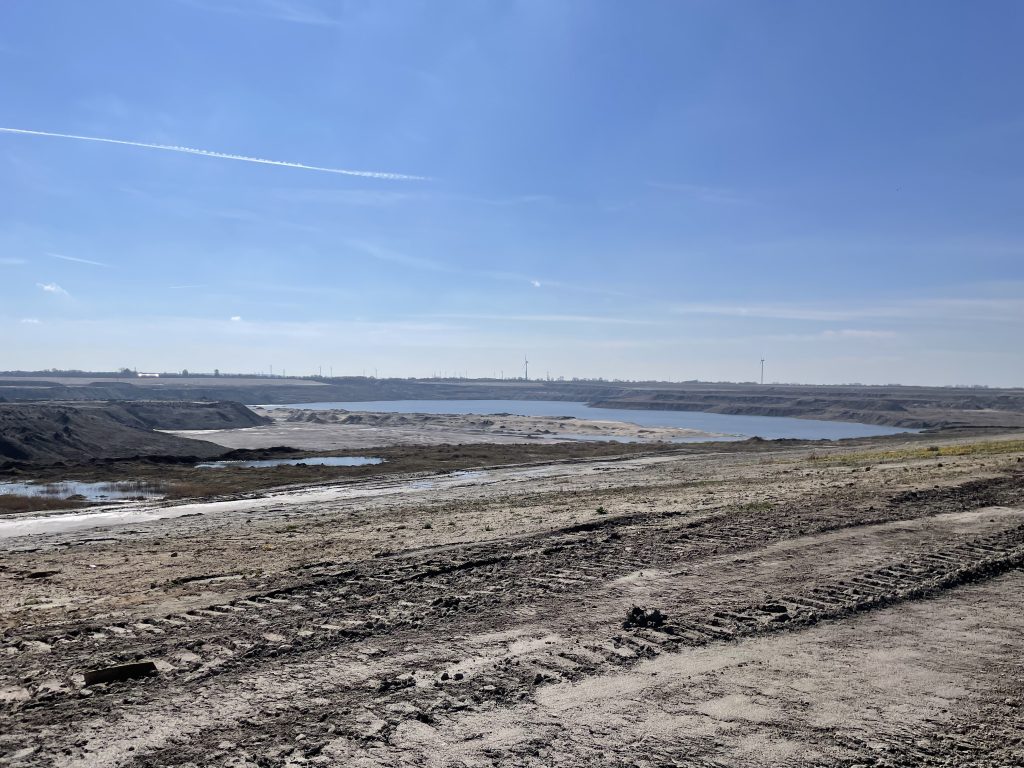
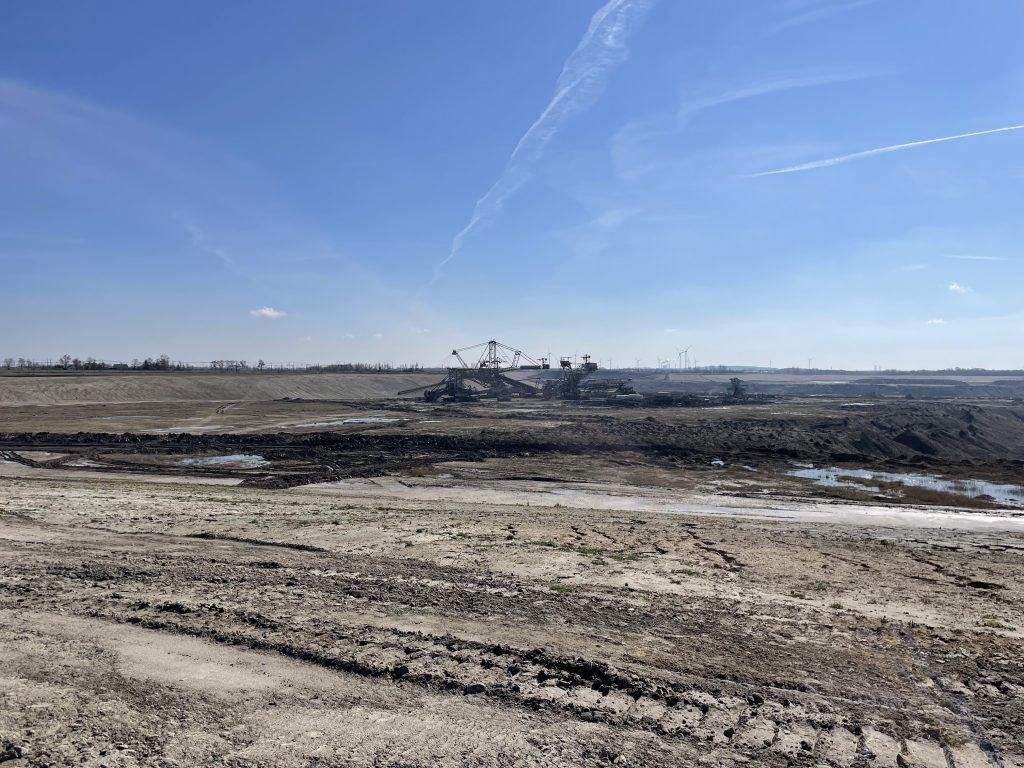
Poltegor-Instytut recently visited the Konin Brown Coal Mine, focusing on the Pątnów II B open-pit mine, where mining activities ceased in 2023. The purpose of this visit was to select areas for research on the compost mixture developed by the Institute. Soil amples were taken as the first step in the efforts to address soil degradation challenges in post-mining areas. This degradation often impedes vegetation growth, which is a critical issue our compost aims to resolve. Our research is directed not only at revitalizing the soil but also at enhancing its properties to support the sustainable rehabilitation of these areas. The Pątnów II B mine is currently undergoing reclamation works in several directions: the creation of a water reservoir in the former Jóźwin IIB open-pit mine area, covering 438 hectares with a capacity of 220 million cubic meters, and efforts focused on agriculture and forestry. These initiatives mark a significant transition towards the sustainable use of post-mining landscapes.
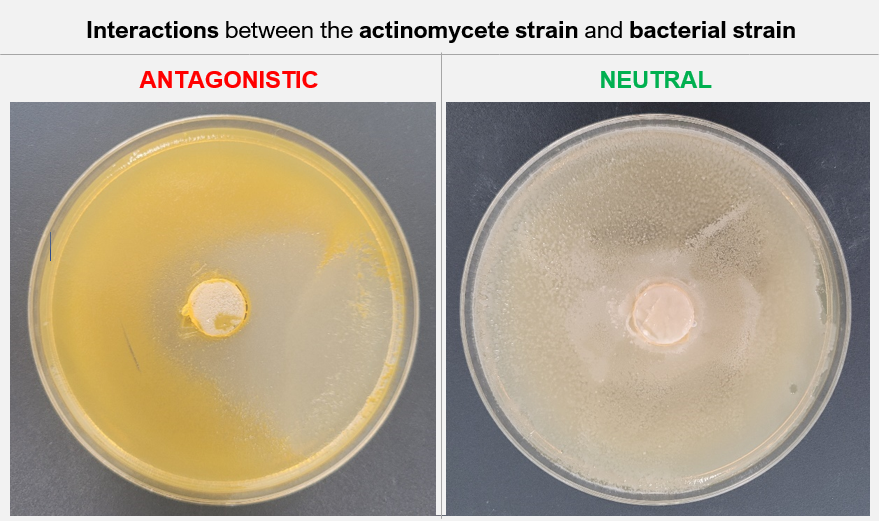
Poltegor-Instytut currently works on development of an innovative laboratory compost aimed at improving the rehabilitation processes for post-mining landscapes. This effort is an integral part of the REECOL project’s commitment to addressing soildegradation in post-mining areas. The Institute’s recent work has involved detailed studies on the interactions between selected microorganisms for a composting vaccine. These studies are crucial to ensuring the composting process produces a clean, humus-rich, and biologically stable product that can enhance properties of soil by providing plants with accessible nutrients. A significant aspect of this research was to identify and eliminate any potential antagonistic interactions among the strains in the multi-organism vaccine. Through biotic interaction tests, the Poltegor team found that most strains have neutral relationships, allowing to finalize the vaccine’s composition. Why this matters? The goal of this compost is not only to rejuvenate the soil but also to improve its quality significantly, which is essential for the sustainable rehabilitation of mining-affected areas and the future development of local ecosystems.
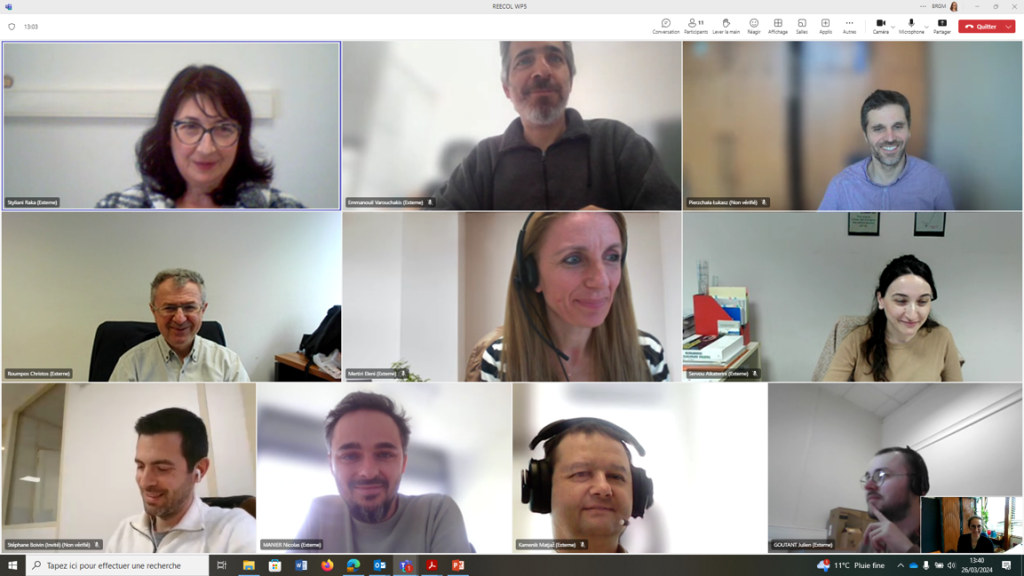
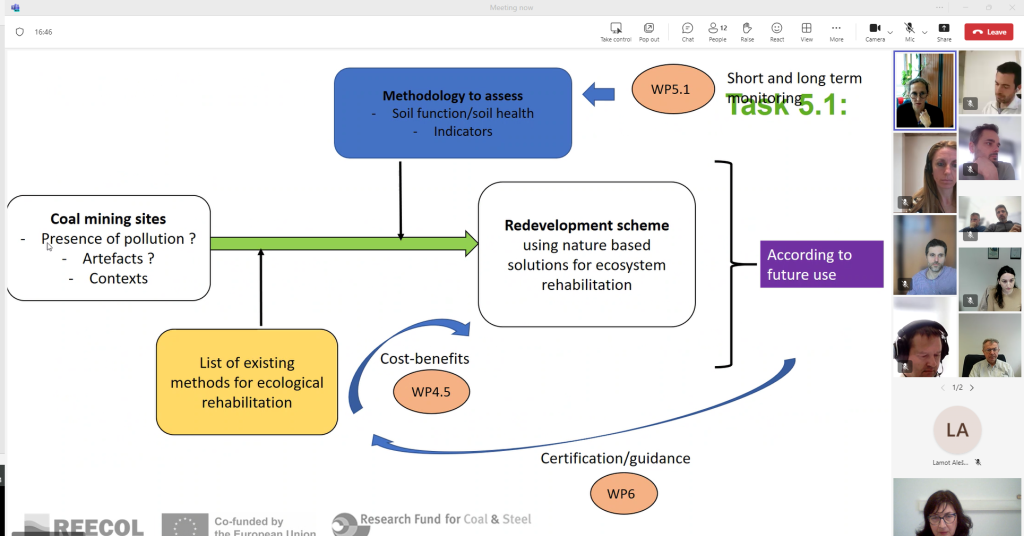
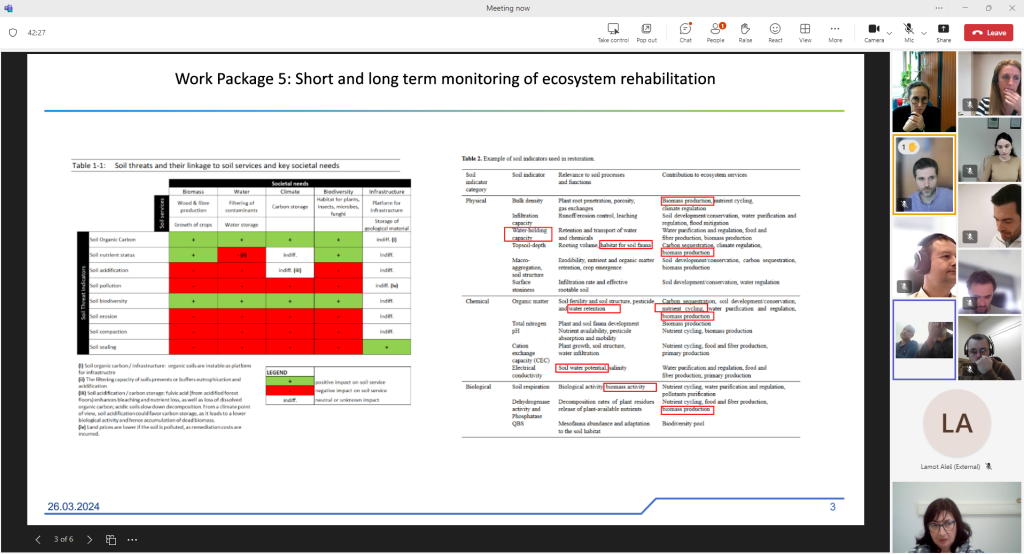
On 26.03.2024 an online meeting of project partners involved in WP5 ‘Short and long term monitoring of ecosystem rehabilitation’ took place. It was organized by BRGM, and representatives of the following partners participated: Poltegor-Instytut, Valorhiz, INERIS, GIG, VUHU, TUC, PPC S.A., Premogovnik Velenje. The following issues were discussed: – methodology and indicators to be used in the project for monitoring of landrehabilitation at post-mining areas; – sampling at testing sites; these sites are selected in post-mining areas.
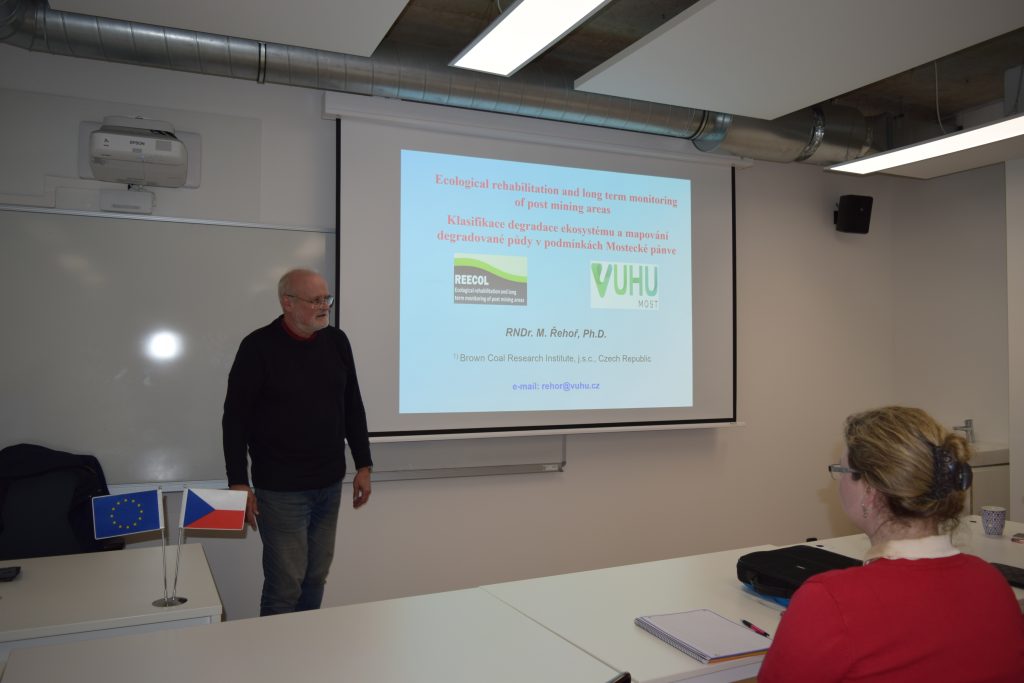
A public lecture by Dr. M. Rehor from the Brown Coal Research Institute took place on 23.03.2024 at the campus of the Jan Evangelista Purkyne University in the city of Ústí nad Labem. Students, stakeholders and other interested persons were briefly introduced to the objectives of the European REECOL project and in more detail to the research results of task 3.1, which deals with the mapping and characterization of degraded soils. The lecture was focused on the degraded soils of the Most Basin.
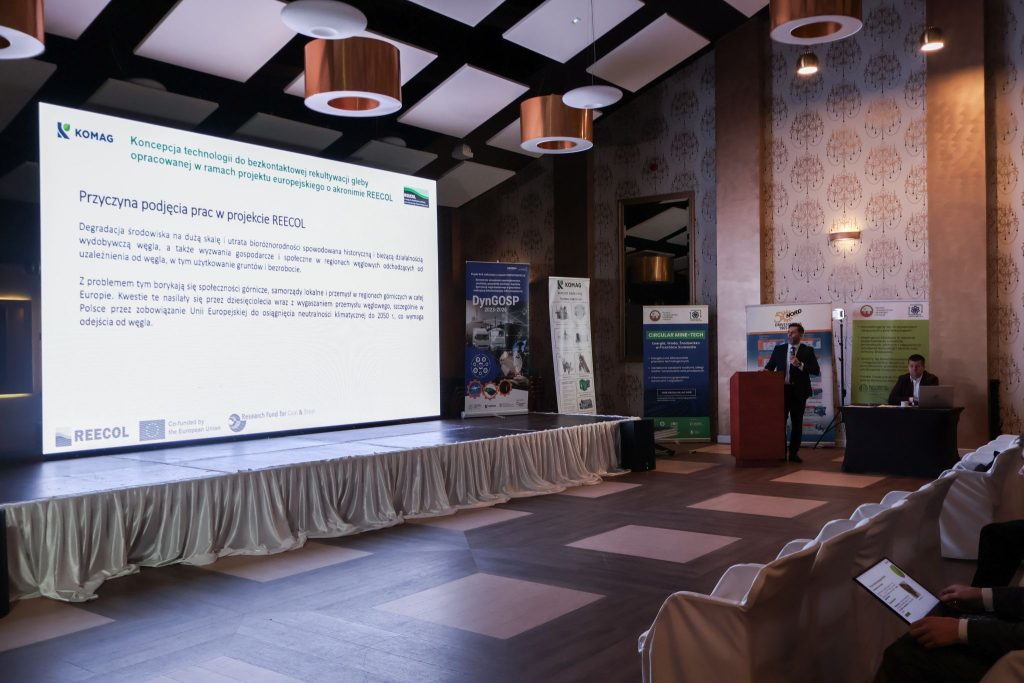
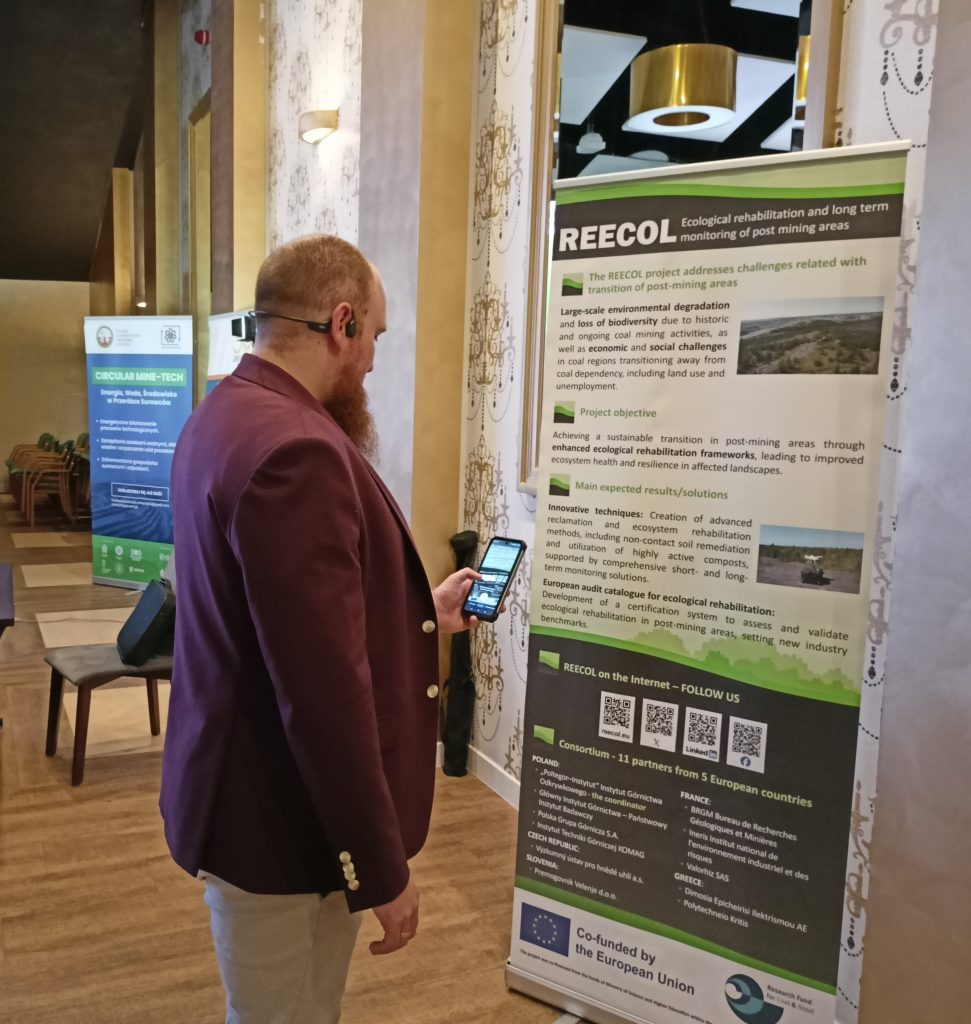
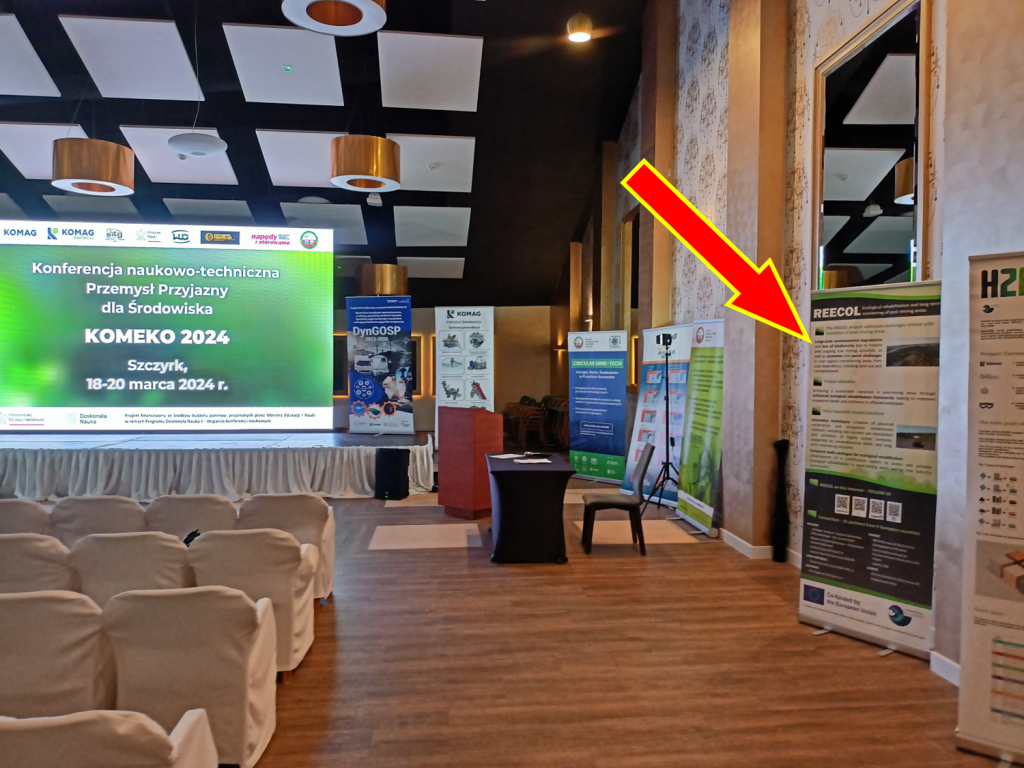
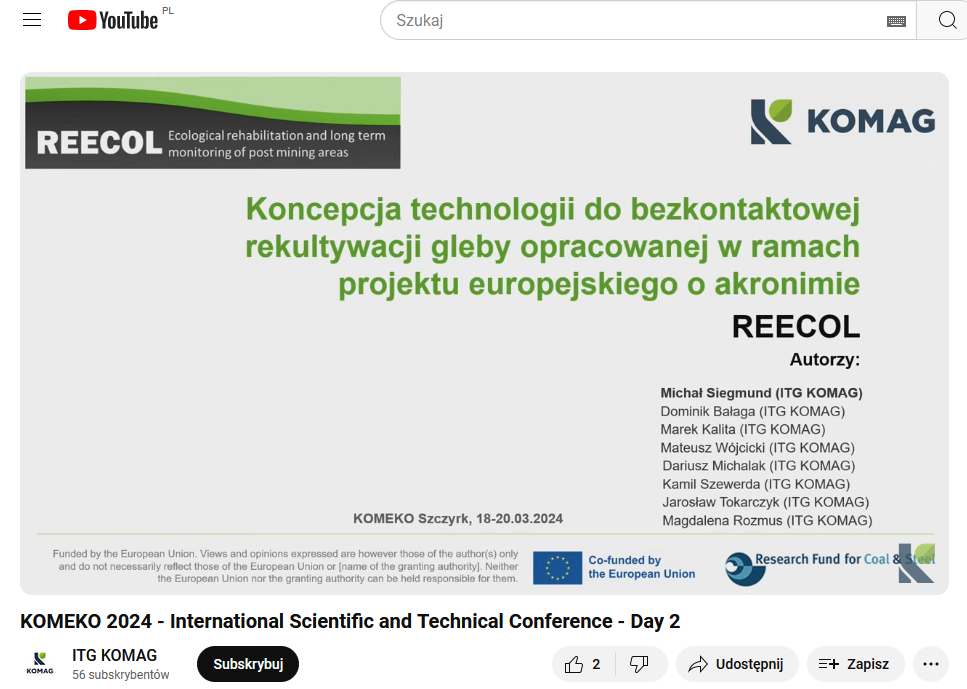
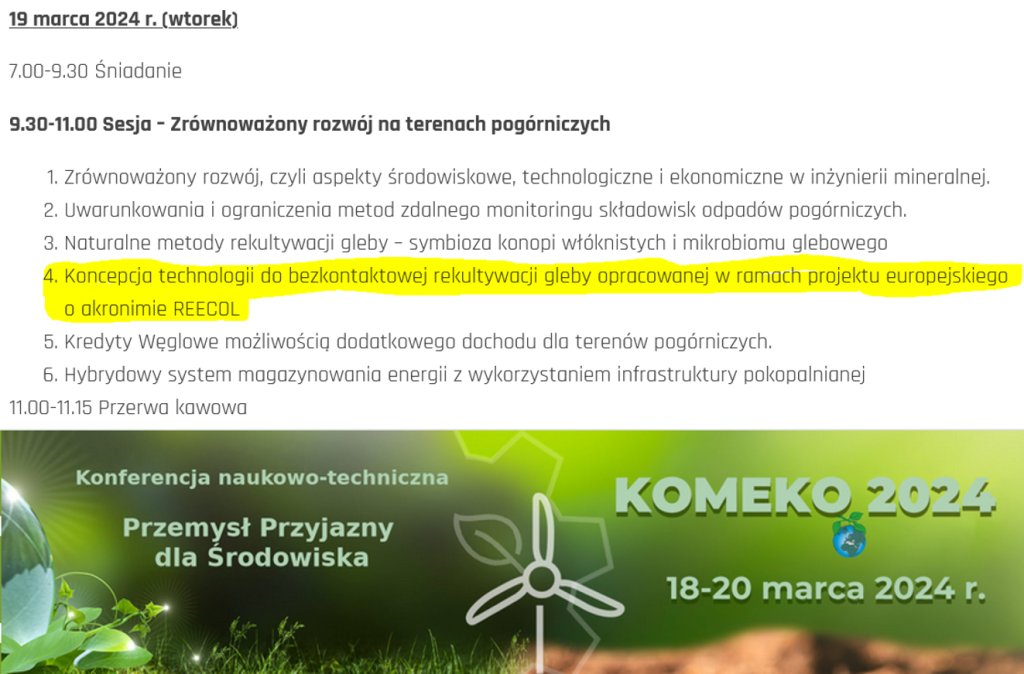
The project ideas were shared during a conference organized by KOMAG – KOMEKO 2024 . A presentation was given during a session ‘Sustainable development in post-mining areas’ . You can see the presentation here: https://youtu.be/V2QRQfVnStI?t=2199.
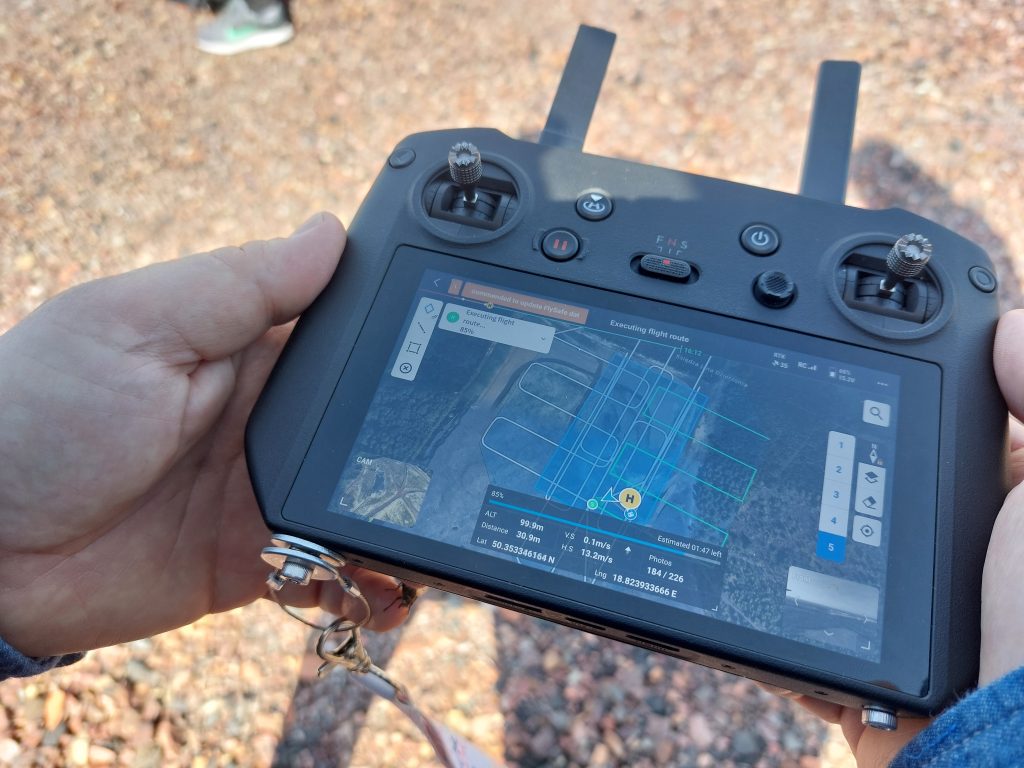
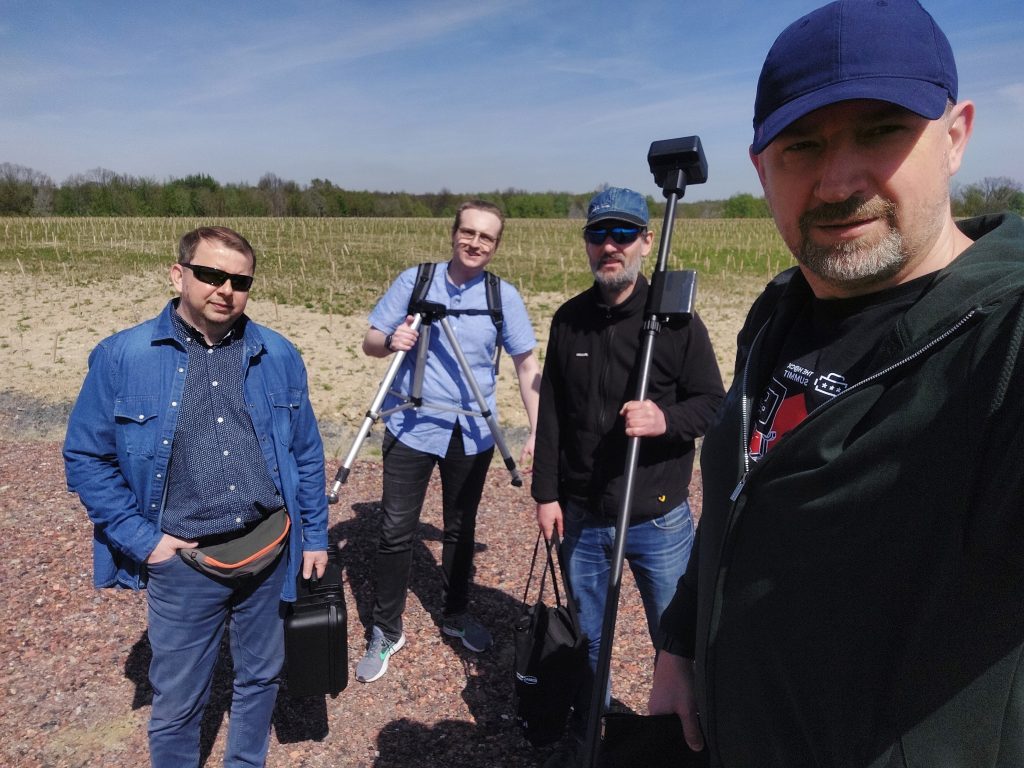
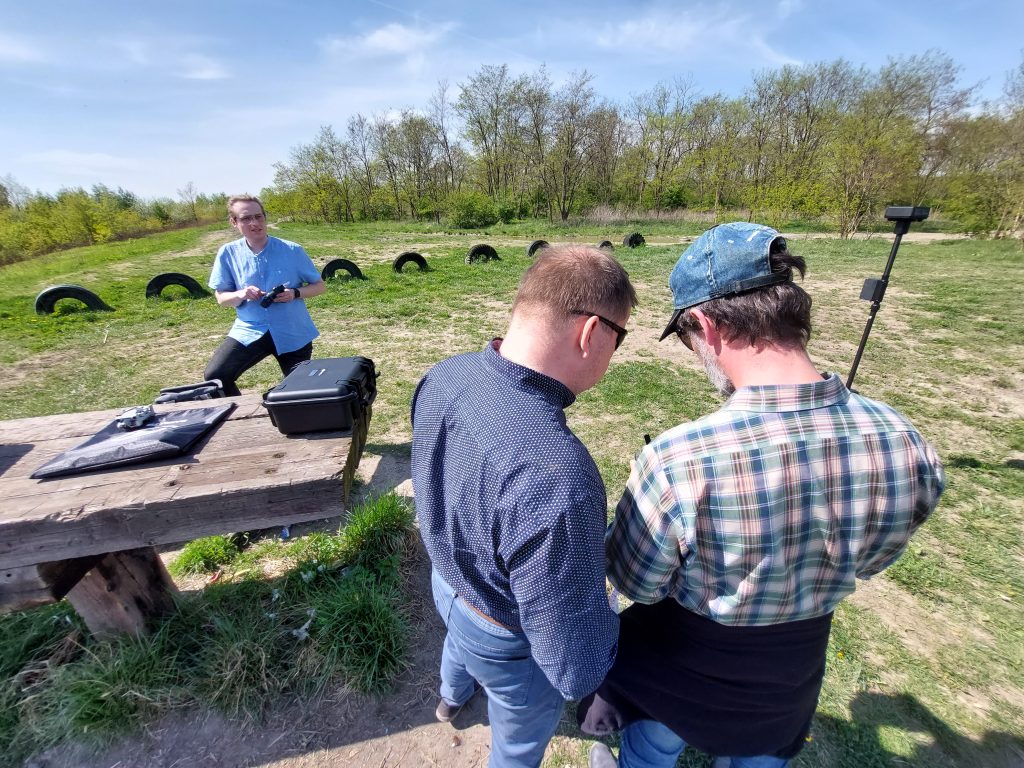
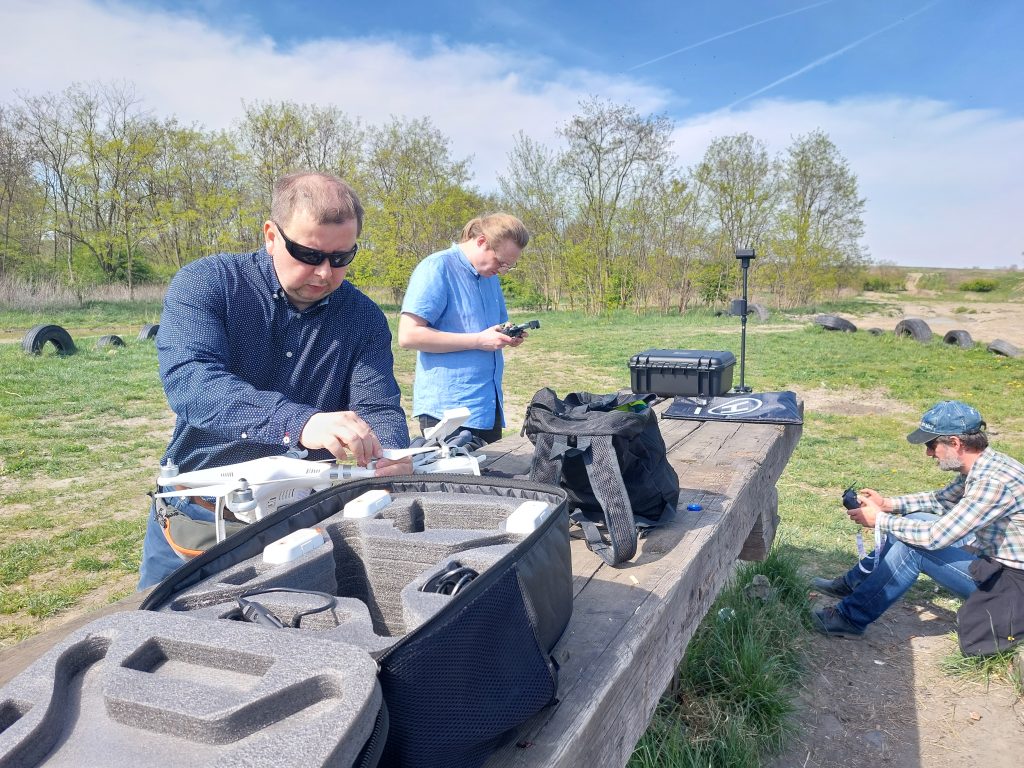
KOMAG’s REECOL team met to discuss issues regarding: a) development of prototype system for non-contact soil remediation and b) monitoring the areas where the system will be used. For the device for spraying the compost, design assumptions were agreed. In particular decisions regarding the device structure, automation and control were made. Assumptions regarding procedure of monitoring the land rehabilitation process with use of drone and dedicated IT system were also agreed. Decissions regarding the upcoming activities and assigned tasks were also made.
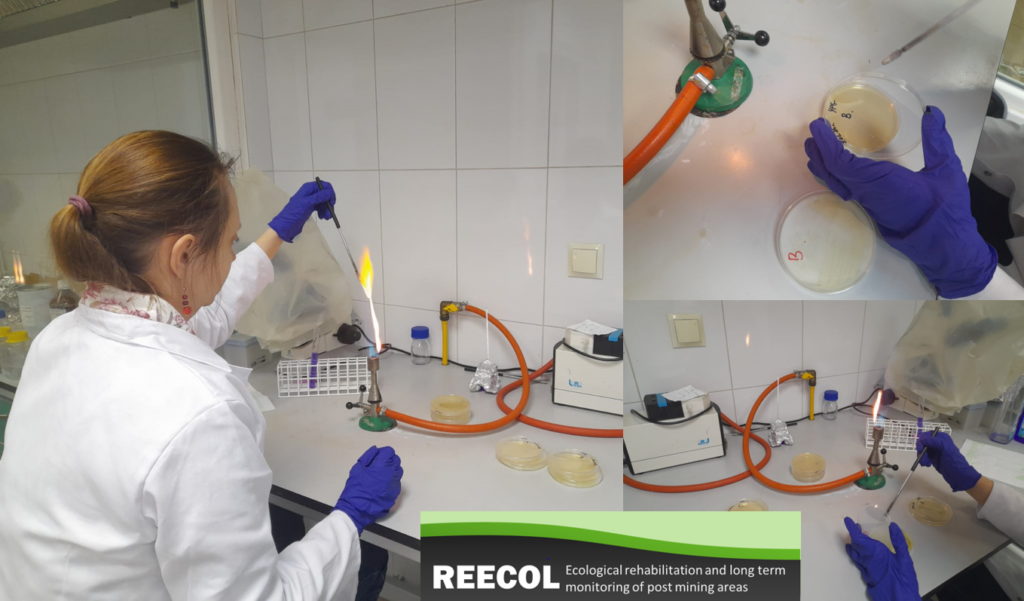
Poltegor-Instytut is currently working intensively on preparing an innovative laboratory compost that will improve the rehabilitation process of post-mining areas. At this stage, work on the isolation of microflora from selected compost substrates is carried out. It is this microscopic life that will play a key role in soil regeneration. The compost is a unique blend of brown coal, straw, and chicken feathers, which together create a rich environment for the development of microorganisms. Post-mining areas often struggle with soil degradation, which hampers vegetation growth. Our compost aims not only to restore life to this land but also to improve its properties, which is crucial for the future development of ecosystems and the sustainable rehabilitation of areas affected by mining activity.
GIG and KOMAG met to discuss selection of post-mining rehabilitation case study areas that will be used for development and testing of the project solutions. The meeting took place in GIG’s facilities.
The project partners from Greece – TUC and PPC met at the offices of PPC to discuss activities within work packages 1,2 and 6. WP1 covers the project management, WP2 includes the project communication and dissemination activities and WP6 is focused on development of the project results. So, all the aspects crucial for the proper project run were taken into account during the meeting.